Category: Uncategorized
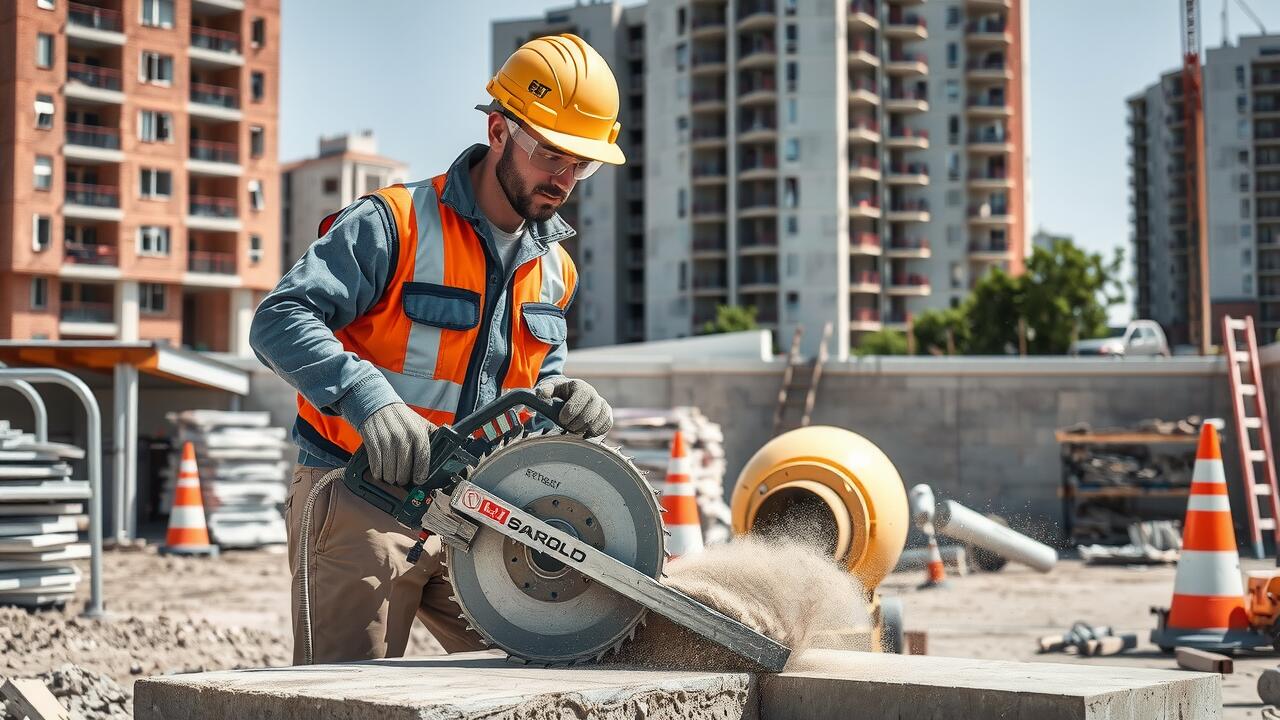
Table Of Contents
Handheld Concrete Saws
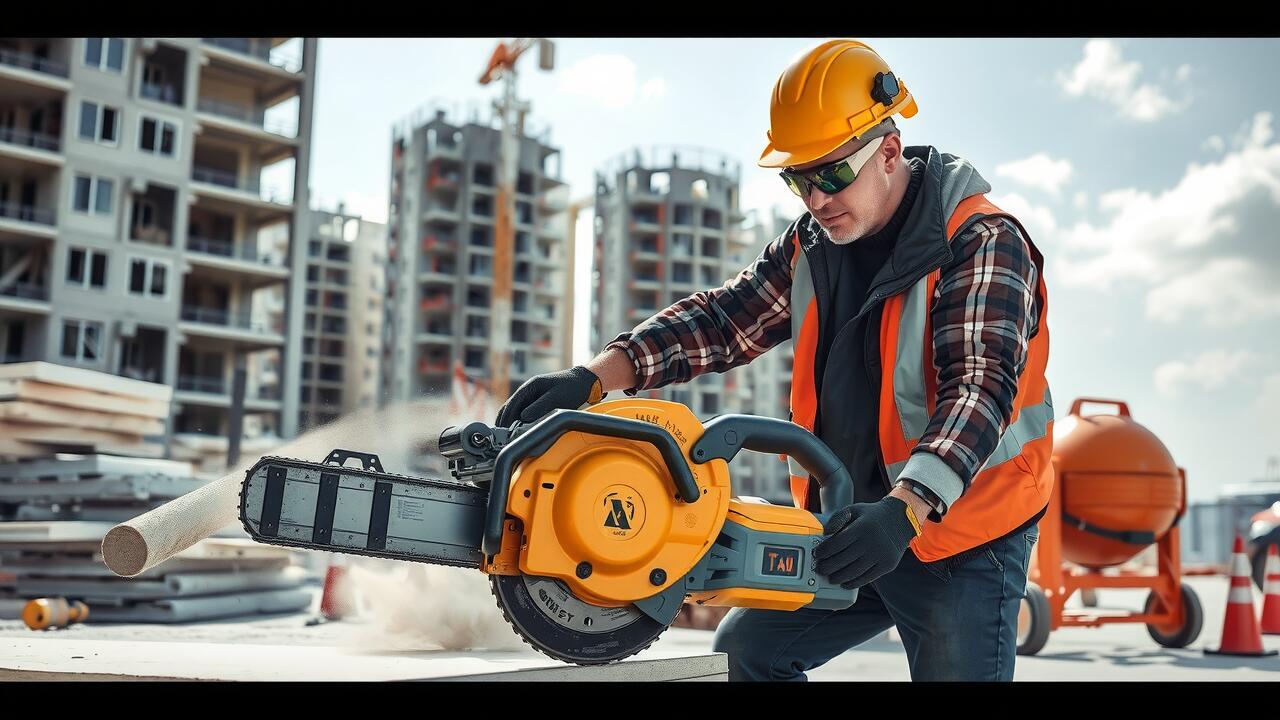
Handheld concrete saws are versatile tools commonly used in various construction and demolition projects. These saws offer the advantage of portability, allowing users to reach tight spaces and cut through concrete with ease. They are equipped with powerful engines and capable blades that can slice through different types of concrete surfaces, making them suitable for both professional contractors and DIY enthusiasts. The lightweight design further enhances their maneuverability, enabling operators to perform intricate cuts or make adjustments on-site without needing heavy equipment.
In the realm of concrete cutting, handheld saws excel in a variety of applications. They are particularly advantageous for cutting to a precise depth, which is crucial in tasks such as creating control joints or removing damaged sections of concrete. Users can choose from different blade types, including diamond blades, to optimize performance based on the specific job requirements. With proper technique and maintenance, handheld concrete saws ensure that cutting tasks are efficiently executed, leading to clean, accurate results.
Ideal Use Cases for Handheld Saws
Handheld concrete saws are versatile tools frequently utilized for a variety of concrete cutting applications. They excel in tight spaces and when precise cuts are needed. Ideal scenarios often include residential renovations where cutting through walls or floors is necessary. These saws allow for quick and efficient adjustments, which makes them suitable for projects requiring different angles or depths.
The portability of handheld concrete saws enables easy maneuvering around obstacles, making them perfect for smaller jobs or locations where larger saws cannot reach. They are effective for cutting concrete driveways, sidewalks, and curbs as well. Their ability to accommodate various blade types also enhances their functionality, allowing contractors to tackle diverse tasks in concrete cutting with ease.
Floor Sawing
Floor sawing is an essential technique in concrete cutting, particularly suitable for creating expansion joints, trenches, or removing damaged sections. This method uses a specialized saw mounted on a wheeled frame, allowing for precise horizontal cuts on flat surfaces. It is ideal for large areas where other tools may be less efficient. The average depth of a floor saw cut can range from a quarter-inch to over a foot, depending on the project requirements and blade type.
Proper technique and equipment selection are crucial for effective floor sawing. Operators need to consider the diameter of the saw blade and the power source, whether it’s electric, gas, or diesel. These factors contribute to the cutting speed and dust management. Additionally, maintaining the appropriate water flow during operation minimizes dust and heat, ensuring a cleaner cut and prolonging the life of the blade. Effective floor sawing supports a variety of construction and renovation projects, making it a valuable method in concrete cutting.
Techniques for Effective Floor Sawing
Effective floor sawing techniques play a crucial role in achieving clean cuts in concrete surfaces. Selecting the right saw is essential. Floor saws equipped with diamond blades are commonly used for their efficiency and precision. Before starting, it is important to assess the concrete’s thickness and density. This evaluation helps determine the suitable blade type and cutting depth. Proper blade maintenance also ensures optimal performance during the cutting process, minimizing the risk of wear.
Operator safety is paramount during floor sawing. Wearing appropriate personal protective equipment, such as goggles and ear protection, helps safeguard against debris and noise. Additionally, establishing a clear cutting plan can enhance efficiency. Marking cut lines accurately on the concrete provides a guide, reducing the likelihood of errors. Understanding the nuances of concrete and ensuring the right techniques are followed contribute to successful concrete cutting, leading to a flawless finish.
Hydraulic Concrete Cutting
Hydraulic concrete cutting utilizes powerful hydraulic systems to drive cutting tools through dense materials. This method is particularly effective for large-scale projects where precision and strength are necessary. By leveraging the immense pressure generated by hydraulic equipment, operators can achieve clean cuts in reinforced concrete, making it ideal for heavy-duty applications such as road repairs and construction of infrastructure.
The precision offered by hydraulic systems enhances the accuracy of cuts, minimizing the risk of damage to surrounding materials. The ability to control the pressure and speed allows operators to adapt to various types of concrete conditions. Additionally, hydraulic concrete cutting is less noisy and produces fewer vibrations compared to traditional methods, making it favorable for use in urban environments where noise control is a priority.
The Role of Hydraulics in Precision Cutting
Hydraulic concrete cutting tools leverage high-pressure fluids to power precision-cutting blades, ensuring clean, accurate results. This technology is particularly beneficial in situations requiring intricate cuts, such as those found in reinforced concrete structures. The ability to maintain consistent power allows operators to achieve uniform cuts quickly, reducing the risk of error that can occur with manual cutting methods.
In addition to enhancing accuracy, hydraulic systems also reduce operator fatigue, making it easier to handle demanding projects. These tools are effective in various scenarios, including demolition and renovation tasks. The versatility and efficiency of hydraulic concrete cutting are cornerstones for contractors seeking high-quality outcomes in their work.
FAQS
What are handheld concrete saws used for?
Handheld concrete saws are primarily used for making precise cuts in concrete, masonry, and asphalt. They are ideal for smaller jobs and can be utilized in confined spaces.
What are the ideal use cases for handheld saws?
Handheld saws are best suited for tasks such as cutting control joints, repairing pavement, and making small openings for pipes or electrical conduits.
What is floor sawing and when is it used?
Floor sawing involves cutting horizontal surfaces, typically concrete floors, to create expansion joints, repair damage, or prepare for new installations. It is often used in construction and renovation projects.
What techniques can enhance effective floor sawing?
Effective floor sawing can be enhanced by using the right blade for the material, maintaining consistent speed, ensuring proper cooling of the blade, and marking clear guidelines for accurate cuts.
How does hydraulic concrete cutting work?
Hydraulic concrete cutting utilizes hydraulic power to drive saw blades, allowing for more precise and efficient cutting. This method is especially useful for large or thick concrete structures.
What are the benefits of using hydraulics in precision cutting?
The benefits of using hydraulics in precision cutting include increased cutting speed, reduced operator fatigue, enhanced control, and the ability to make deeper cuts with minimal effort.
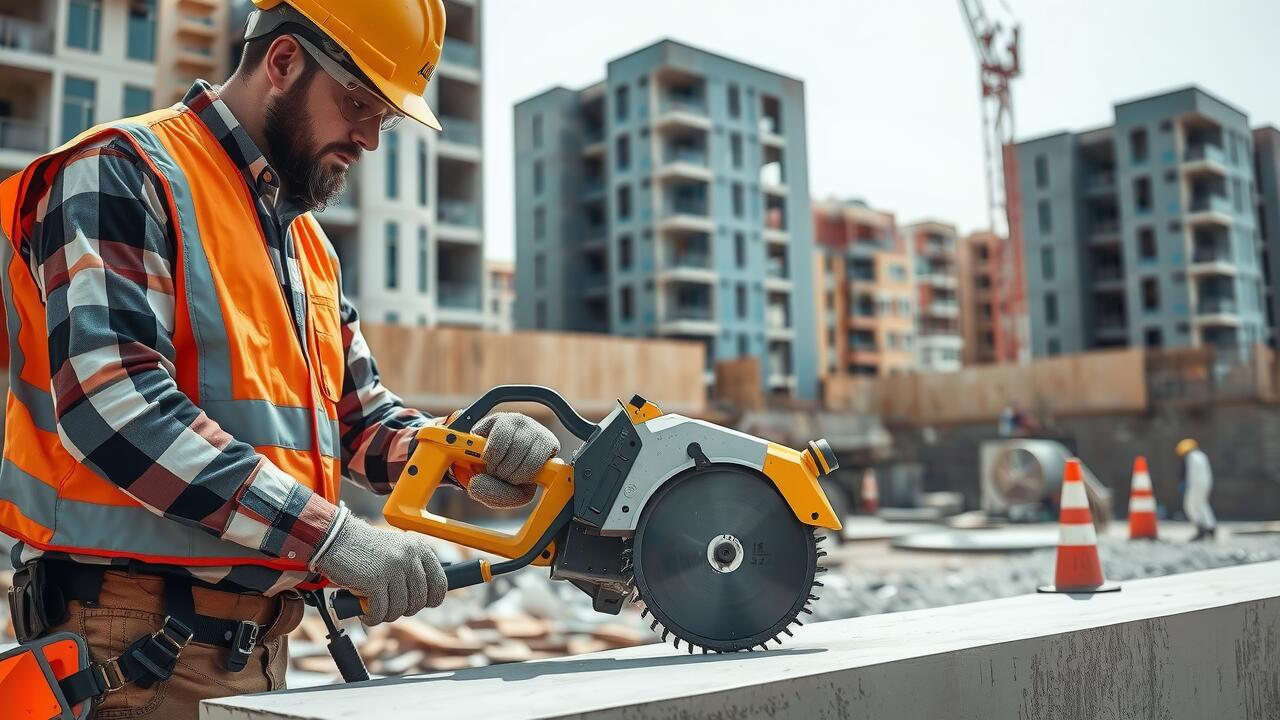
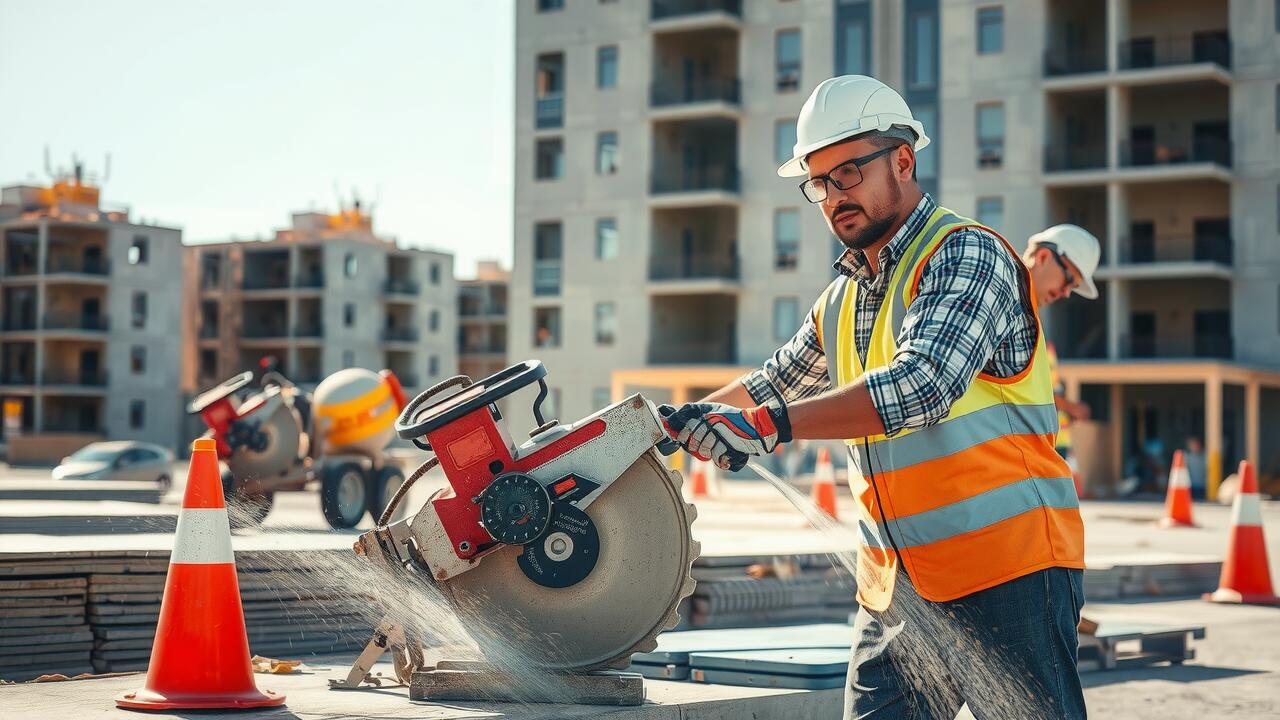
Table Of Contents
Company C
Company C has established itself as a reliable name in the concrete cutting industry within Vista, California. Their pricing structure reflects a commitment to transparency and fair rates. Potential clients can expect detailed estimates, which include a breakdown of labor and materials. This approach allows customers to understand what they are paying for and helps in making informed decisions.
Concrete cutting services offered by Company C come with a variety of options, catering to both residential and commercial needs. They emphasize value for money by providing high-quality workmanship and access to advanced cutting technologies. The combination of competitive pricing and superior service has made them a popular choice among local contractors and homeowners alike.
Value for Money Analysis
When assessing the value for money provided by the concrete cutting companies in Vista, it’s essential to consider the balance between price and quality of service. Many companies offer competitive pricing structures, but the cheapest option does not always guarantee the best results. Factors such as the equipment used and the expertise of the staff can significantly impact the overall quality of work. A comprehensive evaluation of these aspects often reveals which companies provide genuine value beyond just low rates.
Additionally, customer feedback plays an important role in understanding value for money in the concrete cutting industry. Reviews often highlight how well a company meets client expectations regarding both pricing and the quality of the job performed. Companies that invest in high-quality equipment and skilled labor tend to receive positive reviews, even if their pricing is slightly higher than competitors. Customers generally appreciate transparency in pricing, especially if they feel that the investment leads to reduced future maintenance or repair costs.
Company D
Company D has established a strong reputation for its commitment to safety measures within the concrete cutting industry. The company adheres to stringent protocols that ensure both the safety of its workers and the protection of its clients’ properties. They regularly conduct safety training sessions for employees to keep everyone informed about the latest practices and regulations. This commitment to safety goes hand in hand with their mission to provide high-quality concrete cutting services.
Furthermore, Company D demonstrates compliance with industry standards, which is crucial for maintaining a trustworthy reputation. They utilize advanced techniques and equipment that meet the criteria set forth by relevant regulatory bodies. By consistently following these guidelines, Company D not only mitigates risks but also enhances the efficiency and effectiveness of their concrete cutting operations, ensuring that projects are completed with the utmost precision.
Compliance with Industry Standards
Concrete cutting companies must adhere to several industry standards to ensure safety and quality in their operations. Compliance with these standards not only protects workers but also guarantees that the services provided meet customer expectations. Factors such as proper equipment maintenance, technician training, and environmental considerations all play a role in maintaining industry compliance. Companies that prioritize these aspects demonstrate their commitment to professionalism and reliability.
In Vista, California, various concrete cutting companies have established rigorous protocols to meet these standards. Regular audits and certifications ensure that they are up to date with the latest safety regulations and technological advancements. Clients can feel assured when hiring a company that operates within these guidelines, knowing that the work will be carried out efficiently and safely.
Comparison of Customer Service
Customer service plays a crucial role in the concrete cutting industry, significantly influencing customer satisfaction and repeat business. Understanding client needs is essential for companies to provide tailored solutions that meet specific project requirements. Effective communication is vital throughout the process, ensuring that customers feel informed and supported from the initial consultation to project completion.
Companies vary in their responsiveness to inquiries and issues as they arise. Some businesses excel at quick follow-ups and thorough explanations, which fosters trust and builds long-term relationships. Others may struggle with timely communication, leaving customers feeling neglected. In the competitive field of concrete cutting, exceptional customer service can distinguish a company from its competitors and keep clients coming back for future projects.
Responsiveness and Communication
Customer service is a vital aspect of any concrete cutting company. Companies in Vista, California, vary in how they handle inquiries and communication. Quick responses to initial contact indicate a commitment to customer satisfaction. Teams that prioritize open lines of communication can significantly enhance the customer experience, ensuring all questions are addressed promptly.
Effective communication goes beyond just speed. Transparency about project timelines, pricing, and procedures matters deeply. Companies that provide regular updates and clear explanations tend to foster trust. Quality concrete cutting services rely not only on technical skills but also on how well they inform and engage with their clients throughout the project lifecycle.
FAQS
What factors should I consider when choosing a concrete cutting company in Vista, California?
When selecting a concrete cutting company, consider their pricing structure, safety measures, compliance with industry standards, customer service, and responsiveness. It’s also important to check reviews and references.
How can I assess the value for money when hiring a concrete cutting service?
To assess value for money, compare the pricing of services with the quality of work provided, customer reviews, and the experience of the company. Look for companies that offer detailed quotes and transparent pricing.
What safety measures should a reputable concrete cutting company implement?
A reputable concrete cutting company should adhere to industry safety standards, provide proper training for their staff, utilize appropriate personal protective equipment (PPE), and have safety protocols in place to mitigate risks.
How important is customer service when selecting a concrete cutting company?
Customer service is crucial as it reflects the company’s commitment to client satisfaction. Look for companies that respond promptly to inquiries, provide clear communication throughout the project, and address any concerns effectively.
Are there specific industry standards that concrete cutting companies must comply with?
Yes, concrete cutting companies must comply with various industry standards related to safety, environmental impact, and operational procedures. Ensure the company you choose is certified and follows local regulations and best practices.
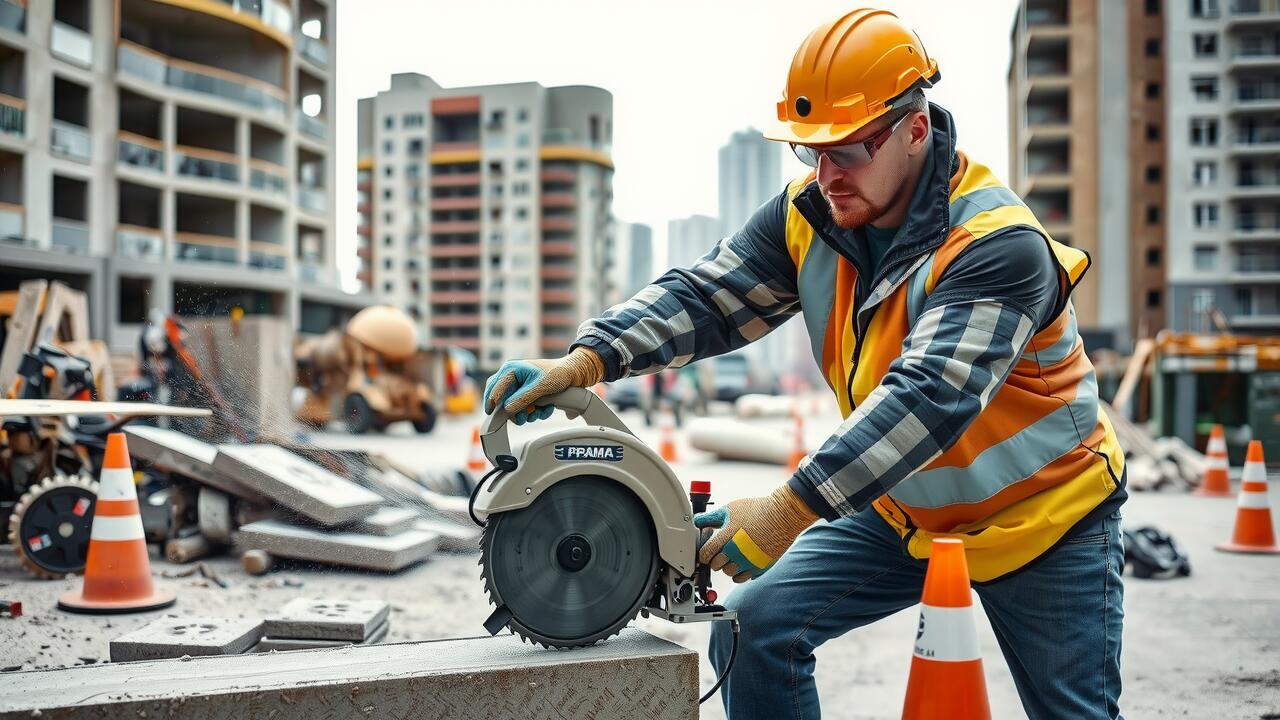
Table Of Contents
Proper Handling of Concrete Dust
Proper handling of concrete dust is a critical aspect of concrete cutting that can significantly impact both health and safety. The fine particles generated during cutting can pose respiratory hazards if inhaled. It is essential to use appropriate tools equipped with dust collection systems. These systems help minimize airborne dust and ensure a cleaner working environment. Personal protective equipment, such as dust masks or respirators, should be worn by all personnel in the vicinity of the cutting operation.
In addition to using dust collection systems, it is vital to maintain a proper site layout to limit the spread of dust. This includes planning cutting tasks in a manner that directs the dust away from workers and sensitive areas. Regular wetting of the cutting surface can also reduce dust generation, making the air quality safer for everyone on-site. Appropriate signage should be posted to alert workers about the potential for dust exposure, reinforcing the importance of following safety protocols during concrete cutting activities.
Best Practices for Dust Disposal
Effective disposal of concrete dust is essential to maintain a safe work environment during concrete cutting operations. Operators should utilize high-efficiency particulate air (HEPA) filters in vacuums and dust collection systems to capture fine particles. This technology ensures that dust does not become airborne, minimizing health risks to workers and surrounding communities. Additionally, implementing regular cleaning schedules can further control dust accumulation on job sites.
Disposing of collected dust must adhere to local regulations and best practices. Concrete dust often contains harmful substances, so it is crucial to review disposal guidelines to avoid environmental contamination. Contractors should consider using designated containers for construction waste and connect with licensed disposal facilities specializing in hazardous materials. Proper handling of dust disposal not only meets regulatory requirements but also promotes a safer work environment during concrete cutting tasks.
Training and Certification for Operators
Proper training and certification for operators involved in concrete cutting is essential to ensure safety on job sites. Operators should be well-versed in the equipment they are using, as well as the best practices for handling various cutting scenarios. These training programs should cover key topics, including hazard recognition, the use of personal protective equipment, and the techniques necessary for minimizing dust and debris. By investing in comprehensive training, companies can significantly reduce the likelihood of accidents and injuries.
In addition to safety awareness, certification adds a level of credibility and professionalism to operators’ skills. Many organizations provide specific certification programs that focus on concrete cutting and related activities. Having certified operators means that the workforce is knowledgeable about industry standards and regulations. This adherence to established guidelines not only enhances safety but also promotes a culture of responsibility and diligence in the workplace.
Importance of Proper Training Programs
Proper training programs are essential for any operation involving Concrete Cutting. These programs equip operators with the necessary skills to handle tools and machinery safely. Participants learn the technical aspects of equipment operation, including maintenance procedures. Understanding the nuances of concrete properties enhances their ability to make informed decisions on cutting techniques and methods.
Additionally, training emphasizes the importance of workplace safety protocols. Awareness of potential hazards related to Concrete Cutting minimizes injury risks for operators and nearby workers. Regularly updated training sessions can also address new technologies and best practices. This proactive approach fosters a culture of safety and responsibility in the workplace.
Emergency Procedures for Concrete Cutting
Emergency procedures for concrete cutting are essential to ensure the safety of all personnel on-site. In the event of an accident or equipment failure, workers should be familiar with the designated evacuation routes and the locations of first aid kits. Clear signage should be posted, and team members must know who to contact for immediate assistance. Regular drills can help reinforce these procedures, ensuring employees respond effectively during an emergency.
Preparation is key in a concrete cutting environment. Developing a safety response plan involves identifying potential hazards associated with the tasks at hand. This plan should outline specific roles for team members during emergencies, such as calling for help or administering first aid. Regular training on these procedures helps maintain a sense of readiness and competency, reducing risks during actual concrete cutting operations.
Developing a Safety Response Plan
A well-structured safety response plan is essential for ensuring the well-being of workers during concrete cutting operations. This plan should outline clear procedures for site emergencies, including injuries, equipment malfunctions, and hazardous material spills. Designating roles and responsibilities for emergency responders helps facilitate quick and efficient action when incidents arise. Regular drills should be conducted to familiarize the team with the plan and reinforce the importance of preparedness.
In addition to outlining emergency procedures, the safety response plan should include contact information for local emergency services and specify evacuation routes. Keeping first aid kits readily accessible and ensuring they are fully stocked can further enhance safety protocols. Evaluating the plan periodically is crucial to accommodate changes in personnel, equipment, or site conditions. Having a robust safety response framework will significantly reduce risks associated with concrete cutting tasks.
FAQS
What are the best practices for handling concrete dust during cutting?
Proper handling of concrete dust involves using water suppression methods, utilizing dust collection systems, and wearing appropriate personal protective equipment (PPE) such as masks and goggles to minimize inhalation and exposure.
How should concrete dust be disposed of safely?
Concrete dust should be disposed of according to local regulations, often by placing it in sealed containers and taking it to designated waste disposal sites. It’s important to follow best practices to prevent environmental contamination.
Why is training and certification important for concrete cutting operators?
Training and certification ensure that operators are knowledgeable about safety protocols, equipment usage, and emergency procedures, reducing the risk of accidents and ensuring compliance with regulatory standards.
What should be included in a safety response plan for concrete cutting?
A safety response plan should include emergency contact numbers, procedures for dealing with accidents or injuries, first aid protocols, and clear instructions on how to evacuate the area safely in case of an emergency.
How often should training programs be updated for concrete cutting operators?
Training programs should be updated regularly, ideally annually, or whenever there are changes in safety regulations, equipment, or procedures to ensure that operators remain informed about the latest safety practices.
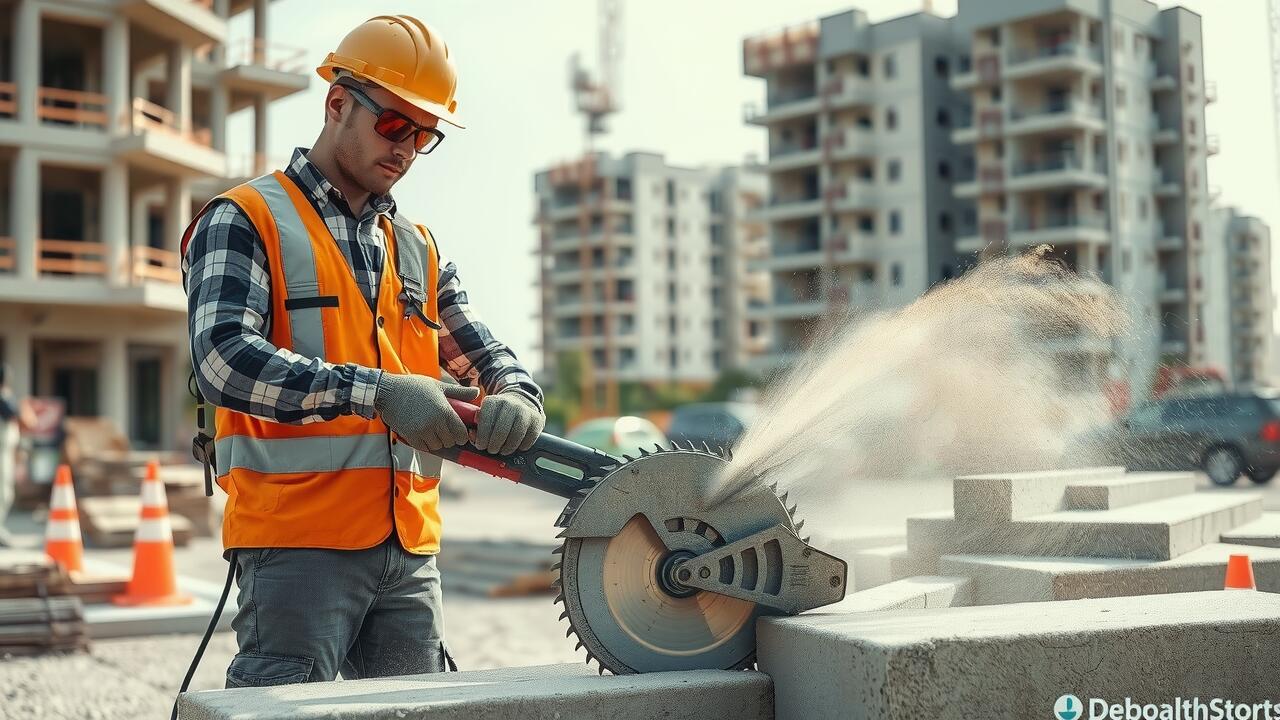
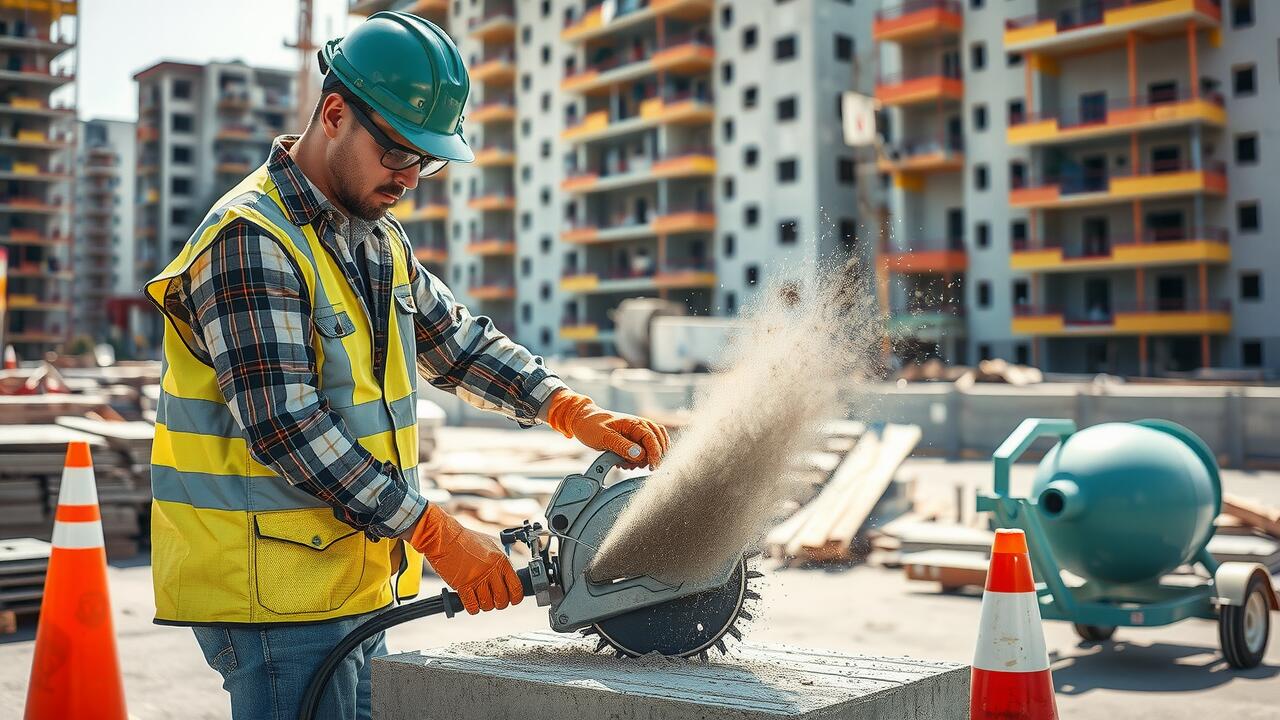
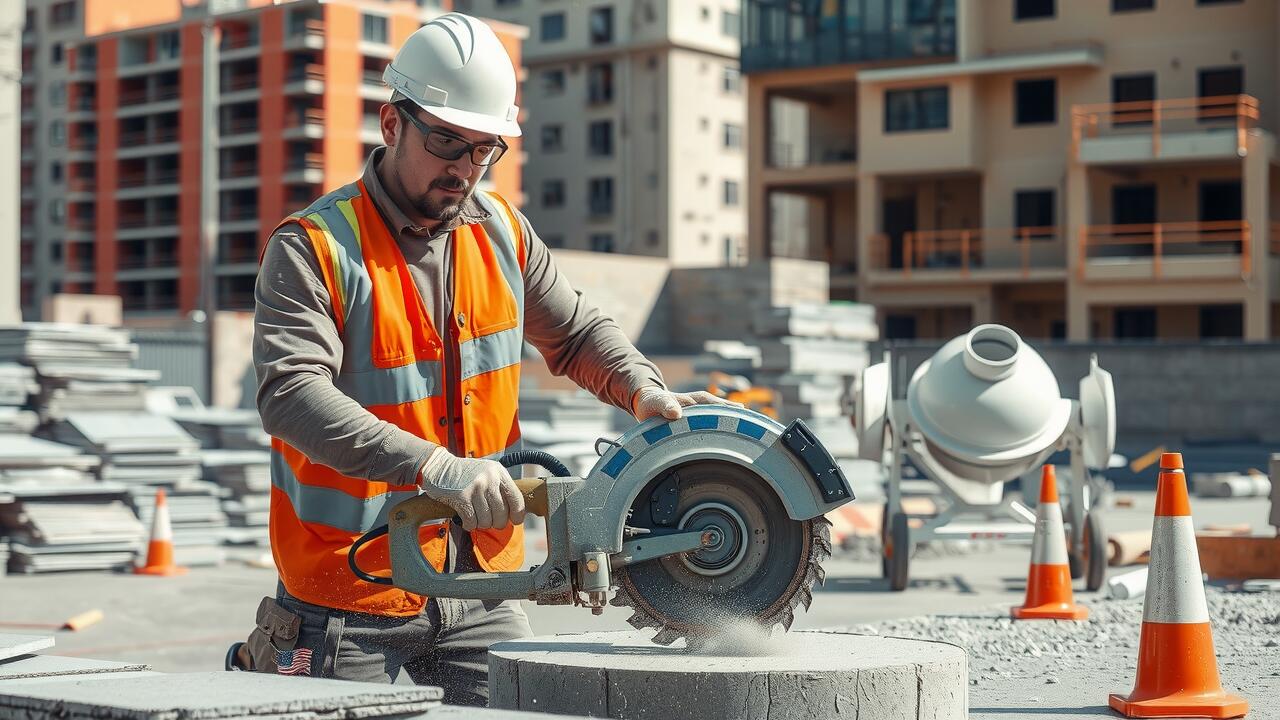
Table Of Contents
Structural Integrity Risks
Concrete Cutting can significantly compromise the structural integrity of a building if not approached carefully. The act of cutting involves removing portions of the material, which can weaken critical load-bearing elements. When these sections are removed or altered, the load distribution changes, possibly leading to stress concentrations. This can result in unexpected structural failure, long before the signs of trouble become apparent.
Moreover, the risks associated with Concrete Cutting extend to the potential disruption of tension cables or reinforcements embedded within the concrete. These reinforcements are essential for maintaining the overall strength of the structure. If they are inadvertently severed or damaged during cutting, the integrity of the entire system could be jeopardized. This can render a building unsafe, leading to costly repairs or even necessitating its demolition if the damage is severe.
How Cutting Can Affect Building Stability
Concrete cutting can significantly impact the structural integrity of a building. Removing sections of concrete, especially from load-bearing walls or slabs, alters the way weight is distributed throughout the structure. This change can lead to unintended stress points, which may compromise overall stability. During the cutting process, vibrations and dust generation may further weaken surrounding materials, increasing the risk of cracks or structural failure.
Additionally, improper planning during concrete cutting can result in more severe complications. For example, if critical support elements are removed or improperly reinforced after the cut, the risk of collapse escalates. Building codes and engineering guidelines often dictate the methods and techniques used to minimize these risks, highlighting the importance of professional oversight during such operations. Failure to adhere to established protocols may not only jeopardize the structure’s safety but also pose a risk to the occupants.
Safety Precautions to Implement
Prioritizing safety is essential when engaging in concrete cutting. Proper planning and awareness of the work environment can significantly reduce risks. Before starting, conduct a thorough assessment of the area. Look for potential hazards, such as nearby electrical lines, gas pipes, or unstable structures. Understanding the workspace helps in implementing measures to protect both workers and surrounding properties.
Equipping personnel with suitable personal protective equipment (PPE) is crucial. Essential gear includes safety goggles, ear protection, gloves, and dust masks to shield against debris and noise associated with concrete cutting. Furthermore, ensuring that all workers are trained in the proper usage of tools and equipment minimizes the likelihood of accidents. Regular safety briefings can reinforce protocols and keep safety at the forefront of every operation.
Essential Personal Protective Equipment (PPE)
When engaging in concrete cutting activities, wearing appropriate personal protective equipment (PPE) is crucial to ensure safety. Hard hats protect against falling debris while safety goggles shield the eyes from dust and flying particles. Hearing protection, such as earplugs or earmuffs, is also essential due to the high noise levels generated by cutting equipment. Respirators can help mitigate the inhalation of harmful dust and silica particles that result from the cutting process.
Foot protection should not be overlooked, as heavy equipment and sharp tools can pose a risk to the feet. Steel-toed boots provide added safety in such environments. Additionally, high-visibility clothing helps ensure that workers remain easily seen by others on the job site. Proper gloves also contribute to safety by offering grip and protection against cuts and abrasions during concrete cutting tasks. Each piece of PPE plays a vital role in maintaining a safe working environment.
Environmental Considerations
Concrete cutting can have significant environmental impacts that should not be overlooked. The process generates dust and particulate matter, which can release harmful substances into the air. Proper ventilation and dust suppression methods are crucial to minimize the release of these particles. Additionally, the noise generated during concrete cutting can disturb nearby wildlife and residents, contributing to a less harmonious environment.
Water runoff from concrete cutting operations can also lead to contamination of local water sources. Depending on the materials used, chemicals involved in the cutting process can seep into the ground or flow into storm drains. It is essential to implement measures that prevent this contamination, such as using barriers or filtration systems. Being mindful of the broader environmental effects of concrete cutting fosters a safer and more sustainable approach to construction and renovation projects.
The Effect of Concrete Cutting on Surroundings
Concrete cutting can have significant implications for the surrounding environment. The process often generates dust and debris, which can contribute to air pollution. Additionally, vibrations from cutting equipment may affect nearby structures and landscape features, potentially causing minor shifts or cracks in adjacent walls and foundations. It is essential to assess the location before starting any cutting operation to understand the various factors that may come into play.
Noise pollution is another concern associated with concrete cutting. The machinery used in this process typically produces high levels of sound, which can disturb both residents and wildlife in the vicinity. Awareness of local regulations regarding noise levels is crucial. Furthermore, mitigating measures, such as using noise barriers or scheduling work during non-peak hours, can help minimize the impact on the surrounding community.
FAQS
What are the main risks associated with cutting concrete?
The main risks include potential structural integrity issues, dust generation, and the possibility of damaging surrounding materials or utilities.
How does cutting concrete affect building stability?
Cutting concrete can compromise the structural integrity of a building by weakening load-bearing walls or supports, which may lead to unexpected shifts or even structural failure.
What safety precautions should be taken when cutting concrete?
Essential safety precautions include wearing appropriate personal protective equipment (PPE), ensuring proper ventilation, and using the correct cutting tools and techniques to minimize risks.
What type of personal protective equipment (PPE) is necessary for cutting concrete?
Essential PPE includes safety goggles, dust masks or respirators, hearing protection, gloves, and sturdy footwear to protect against flying debris and dust inhalation.
How can concrete cutting impact the surrounding environment?
Concrete cutting can generate significant dust and noise pollution, which may affect nearby residents and wildlife. Additionally, it can disturb the local ecosystem if proper precautions are not taken.
Table Of Contents
Concrete Cutting for Renovation Projects
Concrete cutting plays a crucial role in renovation projects by allowing for precise alterations to existing structures. This technique is employed when there is a need to modify walls, floors, or ceilings without compromising the integrity of the surrounding areas. Skilled professionals use specialized tools to ensure accurate cuts, which can accommodate new doors, windows, or service openings that improve functionality and aesthetics.
The advantages of concrete cutting in renovations extend beyond mere modification. It can also facilitate the installation of necessary utilities, such as plumbing or electrical systems, without causing excessive disruption. By utilizing concrete cutting, contractors can achieve clean results, minimize debris, and maintain a safe work environment, ultimately leading to a more efficient renovation process.
Benefits of Using Cutting Techniques
Concrete cutting offers a range of advantages for both new construction and renovation projects. This technique allows for precision when modifying existing structures. Enhanced accuracy minimizes the risk of damage to surrounding materials. The ability to create controlled openings in concrete also facilitates easier installation of utilities such as plumbing and electrical systems.
Moreover, cutting techniques reduce the time and labor required to complete a project. Efficient cutting methods can often achieve results in a fraction of the time compared to traditional methods. This efficiency translates to cost savings for contractors and property owners. By streamlining the renovation or construction process, projects can proceed more smoothly and on schedule.
The Process of Concrete Coring
Concrete coring is a precise method used to create circular openings in concrete surfaces. This technique is essential for various applications such as plumbing, electrical work, and HVAC installations. The process involves specialized equipment that employs diamond-tipped bits to penetrate through the concrete. The accuracy of coring ensures that the resulting holes meet the specific requirements for the projects at hand.
During the coring process, it is crucial to follow safety protocols and industry standards to avoid potential hazards. Operators must assess the concrete structure before beginning, taking into consideration its strength and thickness. Proper concrete cutting practices not only enhance efficiency but also help in preserving the integrity of the surrounding material. Ensuring these steps are followed promotes a smoother workflow while minimizing damage to the existing structure.
Step-by-Step Overview of Core Drilling
Core drilling is a precise method that begins with careful planning and assessment of the area. Operators first identify the exact location for drilling, ensuring that there are no hidden utilities or structural concerns that may interfere with the process. Once the site is determined, specialized equipment such as a core drill rig is set up. This equipment typically features diamond-tipped bits designed to cut through tough materials with efficiency.
After setting up the rig, the operator begins the drilling process, applying consistent pressure while monitoring the depth and alignment of the core. Water is often used to cool the bit during the cutting process, reducing friction and prolonging the life of the tools used. As the core bit penetrates the concrete, cylindrical sections are extracted, which can be analyzed for various purposes. Concrete cutting techniques play a crucial role in ensuring that core drilling is performed accurately and safely.
Industry Standards for Concrete Cutting
Concrete cutting is subject to various industry standards that ensure safety, quality, and efficiency. Regulatory agencies and organizations sets guidelines that concrete cutting professionals must adhere to during their operations. Compliance with these standards not only enhances the reliability of the work but also safeguards the health and safety of workers and individuals in proximity to cutting sites. The use of proper equipment, training, and operational procedures is crucial in maintaining these standards.
Adhering to best practices in concrete cutting can greatly influence project outcomes. Proper planning and execution help minimize waste and prevent damage to surrounding materials. Regular training and certification of staff are essential to keep them updated with the latest techniques and safety measures. Understanding and following industry standards serves to foster professionalism within the concrete cutting field, reinforcing trust between service providers and their clients.
Compliance and Best Practices
Compliance with industry standards is crucial in concrete cutting to ensure safety and efficiency. Operators must adhere to guidelines set by organizations such as the Occupational Safety and Health Administration (OSHA) and the American National Standards Institute (ANSI). These regulations cover essential aspects such as equipment usage, proper training, and securing work areas. By following these protocols, contractors can minimize risks associated with concrete cutting operations.
Best practices in concrete cutting involve meticulous planning and execution. Prior to any cutting work, a thorough assessment of the site is necessary to identify potential hazards like utilities and surrounding structures. Equipment maintenance should be prioritized to ensure optimal performance. Additionally, employing skilled professionals who are knowledgeable about the latest technologies and methods can significantly enhance the efficiency of concrete cutting projects.
FAQS
What is concrete cutting?
Concrete cutting is a process used to remove or modify sections of concrete structures, often utilized in renovation or construction projects to create openings for doors, windows, or utilities.
What is concrete coring?
Concrete coring involves drilling circular holes into concrete surfaces, which is commonly used for installing pipes, electrical conduits, and other utilities, while maintaining the integrity of the surrounding material.
What are the benefits of using concrete cutting techniques?
Benefits of concrete cutting techniques include precision, reduced dust and noise, faster project completion times, and the ability to create custom openings for various construction and renovation needs.
What equipment is used in concrete cutting and coring?
Common equipment used in concrete cutting includes wall saws, flat saws, wire saws, and core drills, each designed for specific cutting and coring tasks to ensure efficiency and accuracy.
Are there industry standards for concrete cutting and coring?
Yes, there are industry standards and best practices that govern concrete cutting and coring, focusing on safety, compliance, and the use of appropriate techniques and equipment to ensure high-quality results.
Table Of Contents
Training and Certification for Concrete Cutters
Training and certification are essential components for anyone pursuing a career in concrete cutting. Proper training ensures that individuals acquire the necessary skills to handle tools and equipment safely and efficiently. Courses typically cover various aspects of the job, including different cutting methods, safety protocols, and the use of concrete saws. Certifications from recognized organizations can enhance a cutter’s credibility and employability, making them a more attractive candidate in a competitive job market.
Participants in training programs often learn not only about the technical skills required for concrete cutting but also about industry standards and regulations. This knowledge helps ensure that projects are completed to specification and within legal guidelines. Many employers prefer candidates who have undergone formal training, as it demonstrates a commitment to professionalism and safety. As the demand for skilled concrete cutters continues to rise, obtaining the right training and certification becomes increasingly important for career advancement.
Importance of Professional Training
Professional training is essential in concrete cutting. This specialized field requires knowledge of various cutting techniques, tools, and safety protocols. Proper training ensures that concrete cutters can execute their tasks efficiently while minimizing risks to themselves and others. Apprenticeships and formal training programs help aspiring cutters acquire the technical skills necessary to handle complex projects.
Understanding the principles of concrete cutting can greatly influence the quality of work. Along with practical skills, training programs often address safety measures, such as proper equipment usage and hazard identification. Such awareness is crucial in a job where exposure to dust, noise, and heavy machinery is routine. Being thoroughly trained prepares concrete cutters to navigate potential challenges and maintain a safe working environment.
Work Environment of Concrete Cutters
Concrete cutting professionals often find themselves working in a variety of environments. Some projects take place indoors, such as renovations within commercial buildings or residential spaces. These settings require careful planning to ensure minimal disruption to occupants. On the other hand, outdoor jobs can involve cutting on roadways or construction sites, which typically entail greater exposure to weather conditions. Each situation presents its own set of challenges, requiring concrete cutters to adapt quickly.
Environmental factors play a significant role in the day-to-day experiences of concrete cutters. Indoor work may lead to dust accumulation and increased noise levels, requiring appropriate safety measures like respirators and hearing protection. Conversely, outdoor cutting exposes workers to heat, cold, rain, or other elements that can impact performance and safety. Navigating these challenges is essential for maintaining productivity and ensuring a safe work environment while performing tasks like concrete cutting.
Indoor vs Outdoor Settings
Concrete cutting in indoor settings often presents unique challenges. Limited space can restrict movement and make it difficult to maneuver cutting equipment. Dust and debris management becomes essential, necessitating the use of vacuum systems or water to control the mess generated during the cutting process. Safety measures are crucial, as confined areas increase the risk of accidents, and proper ventilation is needed to provide a safe working environment.
Outdoor concrete cutting offers different obstacles as well. Weather conditions can significantly affect the progress of a project, with rain or extreme heat impacting the work. Larger areas typically allow for more freedom of movement compared to confined indoor spaces. However, outdoor work may involve dealing with uneven terrain, which can complicate setup and execution. Each setting requires specific skills and adaptability to ensure the job is completed safely and efficiently.
Common Challenges Faced by Concrete Cutters
Concrete cutting presents numerous challenges that professionals must navigate regularly. One significant hurdle is the inherent physical demands of the job. Cutters often deal with heavy machinery that requires strength and stamina. Additionally, the dust generated during concrete cutting can be hazardous, necessitating the use of protective gear and effective dust control measures.
Another challenge in this field comes from the variability of job sites. Concrete cutting often occurs in diverse environments, each with unique obstacles. Factors like weather conditions, site accessibility, and different concrete compositions can greatly affect the cutting process. Mastering these elements is essential for ensuring precision and safety in concrete cutting operations.
Environmental Factors and Obstacles
Concrete cutting is often affected by various environmental factors that can pose significant challenges. Weather conditions play a crucial role, especially for outdoor projects. Extreme temperatures can affect the curing process of concrete, leading to potential structural issues. Additionally, rain and humidity can impact the effectiveness of cutting equipment, necessitating careful planning and adjustments to ensure safety and precision.
Obstacles in the work environment may also arise from the site layout and surrounding conditions. Concrete cutters frequently encounter debris, uneven surfaces, or cramped spaces that hinder movement and accessibility. These obstacles require skillful navigation and may slow progress, adding to the complexity of the job. Team coordination and effective communication become essential as crews work together to mitigate these challenges while maintaining safety standards.
FAQS
Is concrete cutting considered a physically demanding job?
Yes, concrete cutting is physically demanding as it often involves lifting heavy equipment, standing for long periods, and working in various positions.
What kind of training do concrete cutters receive?
Concrete cutters typically undergo professional training that includes both theoretical knowledge and hands-on experience, often resulting in certification in the field.
Are there specific environmental challenges faced by concrete cutters?
Yes, concrete cutters may face challenges such as extreme weather conditions, dust, noise, and working in confined spaces that can impact safety and efficiency.
What is the difference between indoor and outdoor concrete cutting?
Indoor concrete cutting often involves working in controlled environments with limited space, while outdoor cutting may require dealing with weather factors and larger job sites.
Do concrete cutters need special equipment for their job?
Yes, concrete cutters use specialized equipment such as diamond saws, wall saws, and core drills, which require proper training to operate safely and effectively.
Table Of Contents
Contractor C
Contractor C stands out in the Chula Vista area for its innovative techniques and technology in concrete cutting. This company has embraced advanced tools that enhance precision and efficiency, ensuring that each project is executed with the utmost care. Their skilled team utilizes state-of-the-art diamond saws and wire saws, allowing them to handle various types of projects, from residential to commercial. This adaptability has earned Contractor C a strong reputation among clients seeking quality and reliability.
In addition to their cutting-edge equipment, Contractor C prioritizes training and development for their staff. Each technician undergoes rigorous training programs, focusing on best practices in safety and execution. This commitment not only ensures superior performance but also promotes a culture of safety on job sites. Clients can trust that they are working with professionals who understand the intricacies of concrete cutting and adhere to industry standards.
Equipment and Methodologies Used
The equipment employed by top concrete cutting contractors in Chula Vista showcases a blend of traditional techniques and modern innovations. Diamond blades remain a staple for precision cutting. These blades can effectively slice through various types of concrete, ensuring clean edges and minimal debris. Additionally, many contractors utilize wall saws, flat saws, and core drilling machines tailored to specific project requirements. This diverse range of equipment enhances versatility on the job site and caters to both large-scale projects and smaller residential tasks.
Contractors also embrace methodologies that prioritize efficiency and accuracy. For instance, they often employ water-cutting techniques to reduce dust and debris during the concrete cutting process. This not only promotes a cleaner work environment but also helps in maintaining visibility for operators. Moreover, advancements in technology have facilitated the use of robotic cutting equipment. These automated machines bring forth precision and speed, allowing contractors to tackle complex cuts with ease. Ultimately, the combination of advanced tools and effective methodologies underscores the commitment of these contractors to provide high-quality concrete cutting services.
Pricing Structures for Concrete Cutting Services
Pricing structures for concrete cutting services vary based on several factors including project size, complexity, and the specific techniques employed. Contractors often provide estimates that take into account the type of concrete, thickness, and depth of cuts required. Some companies offer flat-rate pricing for standard cuts, while others may charge by the hour for more intricate projects that demand advanced equipment and skilled labor.
In addition to basic cutting costs, clients should consider potential additional fees for mobilization, disposal of debris, or specific safety measures. Transparent pricing is essential, so it is advisable for customers to request detailed quotes that itemize all expected charges. Comparing multiple bids can help in assessing the overall value of the services offered, ensuring that clients receive quality work at a fair price in their concrete cutting endeavors.
Understanding Costs and Value
When exploring the costs associated with concrete cutting services, various factors play a crucial role. These include the complexity of the project, the type of equipment required, and the expertise of the contractor. Clients should expect to see different pricing models, such as per project or hourly rates, depending on the specific needs and size of the job. Understanding these elements helps in effectively comparing estimates from different contractors.
Value in concrete cutting services often extends beyond the initial cost. Quality workmanship can lead to long-term benefits, including enhanced structural integrity and reduced need for repairs. Investing in experienced contractors who utilize advanced techniques ensures that the project is completed efficiently and safely. Clients should consider not only the price tag but also the potential return on investment when selecting a contractor for concrete cutting tasks.
Safety Standards and Regulations
Safety in concrete cutting is paramount for protecting both workers and surrounding environments. Contractors must adhere to stringent safety regulations set forth by federal and state agencies. Personal protective equipment, such as gloves, helmets, and eye protection, is essential when performing concrete cutting tasks. This helps to mitigate the risk of injury from flying debris or accidental contact with equipment. Proper training in handling tools and machinery is also crucial, ensuring that all personnel are well-informed about potential hazards.
Regulatory compliance extends beyond just equipment and personal safety. Contractors must also invest in site assessments to identify risks associated with specific projects. Implementing safety measures, such as dust control and noise reduction strategies, is necessary for minimizing environmental impacts. Regular inspections and maintenance of equipment further enhance safety standards. By prioritizing these regulations, contractors can maintain a secure working environment while performing concrete cutting operations.
Ensuring Compliance in Concrete Cutting
Concrete cutting involves various safety standards and regulations aimed at protecting both workers and the public. These regulations cover proper equipment usage, worker safety training, and adherence to environmental guidelines. Contractors are required to stay updated on local and federal laws to ensure compliance. Failure to meet these standards can lead to significant penalties and jeopardize the integrity of a project.
Additionally, contractors must implement safety measures, including personal protective equipment (PPE) and safety protocols during cutting operations. Regular inspections and maintenance of cutting equipment help prevent accidents and ensure optimal performance. Proper documentation of compliance efforts is crucial in maintaining a good standing with regulatory bodies. Concrete cutting operations that prioritize safety are more likely to build trust and rapport with clients, enhancing their reputation in the industry.
FAQS
What should I look for when choosing a concrete cutting contractor in Chula Vista?
When selecting a concrete cutting contractor, consider factors such as their experience, the range of services offered, customer reviews, pricing structures, and adherence to safety standards.
Are there innovative techniques used by concrete cutting contractors in Chula Vista?
Yes, many contractors utilize innovative techniques and technology, such as diamond blades and wire sawing, which enhance precision and efficiency in cutting concrete.
How do concrete cutting contractors determine their pricing structures?
Pricing for concrete cutting services is typically based on factors such as project size, complexity, materials involved, and the specific methods used. It’s best to request detailed quotes from multiple contractors.
What safety standards do concrete cutting contractors need to adhere to?
Concrete cutting contractors must follow specific safety standards and regulations, which can include proper equipment usage, worker training, and compliance with local and federal safety guidelines to ensure a safe working environment.
How can I ensure that a concrete cutting contractor complies with safety regulations?
To ensure compliance, check if the contractor is licensed and insured, ask for documentation of safety training for their workers, and verify their adherence to local safety regulations and industry best practices.
Table Of Contents
DIY vs Professional Services
Homeowners often consider the DIY route when it comes to concrete removal. With the right tools and equipment, such as a concrete saw or jackhammer, individuals can tackle the project themselves. Concrete cutting can be physically demanding, requiring significant labor and time. There are also safety concerns involved, particularly if the concrete is thick or reinforced. DIY enthusiasts should have a clear plan and understanding of the process before attempting to remove concrete.
On the other hand, hiring professional services offers several advantages. Experts in concrete removal bring specialized equipment and experience to ensure the job is done safely and efficiently. They are knowledgeable about techniques like concrete cutting that can expedite the process and minimize damage to surrounding areas. While the cost is generally higher for services performed by professionals, the reduced risk of injury and potential for costly mistakes may justify the investment for many homeowners.
Cost Comparisons and Risks
When considering the removal of 1,000 square feet of concrete, one of the first decisions is whether to tackle the project as a DIY endeavor or hire professional services. DIY concrete removal might seem like an appealing way to save money, but it comes with various risks. Without the proper tools and experience, the chance of injury increases significantly. A project requiring concrete cutting also demands specialized equipment, which can further elevate costs if renting tools becomes necessary.
On the other hand, professional services typically come with higher upfront expenses. However, they offer expertise that can lead to a more efficient and safer removal process. Professionals often perform concrete cutting with precision, reducing potential damage to surrounding areas. Additionally, they are likely to understand local regulations and disposal requirements better than an untrained individual, minimizing the risk of unexpected fines or delays.
Regional Variations in Pricing
The cost of removing 1000 square feet of concrete can significantly vary depending on the region. Areas with higher labor costs, such as metropolitan cities, often charge more for both DIY supplies and professional services. Concrete cutting can also be influenced by local demand and availability of skilled workers. In less populated areas, expenses may be lower due to reduced overhead and competition, making it more affordable to hire professionals or obtain necessary tools for a DIY project.
Regional climate can also affect pricing. In regions where extreme weather conditions are common, there may be additional considerations for concrete removal. Concrete cutting in areas prone to freezing conditions may require specific techniques to prevent damage to the surrounding environment. Overall, understanding these regional factors helps homeowners budget more effectively when planning for concrete removal projects.
How Location Affects Costs
The cost of removing 1,000 square feet of concrete can vary significantly depending on geographical location. In urban areas, where labor costs tend to be higher, hiring professionals for the job may result in a steeper price tag. Additionally, the availability of resources and skilled labor can influence pricing. Regions with a higher demand for concrete cutting services often see increased competition, which might drive prices down, but this is not always the case.
Rural areas may present a different scenario. While labor costs might be lower, access to equipment for concrete cutting could be limited, potentially leading to higher transportation fees. Local regulations and disposal costs also play a role in shaping the final expense. Homeowners should consider these factors when seeking estimates, as understanding the specific dynamics of their location will ultimately help in budgeting for concrete removal.
Tips for Reducing Concrete Removal Costs
When considering ways to reduce concrete removal costs, one effective strategy is to explore options for concrete cutting. This technique can significantly lower expenses by allowing for more manageable pieces, making the removal process faster and more efficient. By cutting the concrete into smaller sections, homeowners can minimize labor time and equipment rental expenses. Additionally, using smaller tools to handle the cut pieces can help avoid the need for heavy machinery, which often comes with higher costs.
Another way to save on concrete removal is to collaborate with local contractors who may offer package deals. Many companies provide discounts for larger projects or during off-peak seasons. Researching and gathering multiple quotes will also help identify competitive pricing. Being flexible with scheduling might enable homeowners to negotiate better rates or take advantage of promotions that contractors occasionally offer.
Cost-Saving Strategies
When considering cost-saving strategies for concrete removal, one effective approach is to handle the preliminary tasks yourself. This may involve clearing the area of any debris and landscaping that may obstruct the process. Additionally, researching and purchasing your own concrete cutting equipment can significantly reduce overall expenses. Renting or buying tools specifically designed for concrete cutting can save money compared to hiring a professional solely for this step.
Another avenue for savings is to obtain multiple quotes from different contractors. This allows you to compare prices and services. Some companies may offer discounts for larger jobs, which could help lower the overall cost of your project. Be sure to negotiate with contractors and inquire about bundled services that include concrete cutting along with removal to create potential savings.
FAQS
What is the average cost to remove 1000 square feet of concrete?
The average cost to remove 1000 square feet of concrete typically ranges from $1,000 to $3,000, depending on various factors such as location, accessibility, and the thickness of the concrete.
Is it cheaper to remove concrete myself or hire a professional?
While DIY concrete removal can save labor costs, it may require significant time, effort, and equipment rental. Hiring a professional can ensure a quicker and safer removal process, especially for large areas or complex jobs.
How does the thickness of the concrete affect removal costs?
Thicker concrete generally requires more time and heavier machinery for removal, which can increase labor and disposal costs. The cost may rise if the concrete is reinforced with steel or other materials.
Are there additional costs associated with concrete removal?
Yes, additional costs may include disposal fees, permits, and possible damage to existing structures or landscaping. It’s essential to factor in these potential expenses when budgeting for concrete removal.
What are some tips for reducing concrete removal costs?
To reduce costs, consider breaking the concrete into smaller pieces for easier handling, exploring the option of a DIY approach if feasible, and comparing multiple quotes from different contractors to find the best price.
Table Of Contents
Time Efficiency in Concrete Cutting
Time efficiency is a significant consideration in the concrete cutting industry. Projects demand prompt execution to meet deadlines and minimize disruptions. Skilled operators utilize modern tools and technologies that enhance cutting speed, allowing them to complete tasks more quickly than traditional methods. The ability to work efficiently not only saves time but also reduces project costs and labor expenses.
Several factors influence the time it takes to complete concrete cutting tasks. The thickness and hardness of the material play a critical role in determining how long the cutting process will take. Additionally, the chosen technique and equipment also contribute to efficiency levels. Choosing the right tools tailored to the specific requirements of each project is essential for optimizing performance and achieving desired results in a timely manner.
Factors Influencing Cutting Speed
The speed of concrete cutting is influenced by several factors, including the type of saw and blade used. Diamond blades, for instance, often provide faster cutting speeds compared to traditional steel blades. The thickness and hardness of the concrete also play a significant role in determining how quickly a job can proceed. Tougher materials require more power and time for effective cutting.
Additionally, the skill and experience of the operator can impact cutting speed significantly. An experienced operator familiar with concrete cutting methods may navigate the equipment more efficiently, leading to quicker results. Environmental conditions, such as temperature and moisture in the concrete, can also affect performance, potentially slowing down the cutting process and requiring adjustments in technique.
Different Techniques in Concrete Cutting
Concrete cutting is an essential process in construction and renovation, facilitating modifications and repairs. Several techniques have emerged over the years, each catering to specific needs and project requirements. Diamond blade cutting is among the most popular methods, utilizing diamonds for precision and efficiency. This technique minimizes damage to surrounding materials while delivering a clean cut. The use of wire saws is also noteworthy, especially for cutting large or densely reinforced concrete sections. This method provides greater adaptability and speed, making it suitable for challenging environments.
Another technique gaining traction is wall sawing, which utilizes a diamond blade mounted on a track system for vertical and horizontal cuts. This method excels in. creating precise openings in walls and floors. Core drilling presents another effective approach, allowing for the removal of cylindrical samples or holes from concrete structures. This technique is often employed for plumbing and electrical work. Each of these concrete cutting methods offers distinct advantages, ensuring that contractors can choose the most effective solution for their specific projects.
Overview of Popular Methods Used
Concrete cutting encompasses various techniques tailored to meet specific requirements, each offering unique advantages. One popular method is diamond wire sawing, which utilizes a steel wire with diamond segments to achieve precise cuts with minimal dust. This technique is highly efficient for large-scale projects, such as cutting thick concrete walls or slabs. Another method, known as wall sawing, employs a specialized saw mounted onto a track system, making it ideal for vertical cuts in reinforced concrete.
Additionally, there is the use of core drilling, which allows for the removal of cylindrical sections of concrete. This method is particularly beneficial for creating openings for plumbing, electrical installations, or HVAC systems. Each method of concrete cutting has its applications, and the choice often depends on factors such as the thickness of the material, the desired finish, and project timelines. Understanding these techniques aids in selecting the right approach for any concrete cutting task.
Environmental Impact of Concrete Cutting
Concrete cutting has notable environmental implications that warrant consideration. The process generates dust and particulate matter, which can contribute to air quality degradation. This pollution poses potential health risks to workers and nearby communities. Furthermore, water runoff from cutting operations may carry contaminants that affect local water supplies and ecosystems.
Noise pollution is another critical factor associated with concrete cutting. The equipment used can be quite loud, disrupting nearby residents and wildlife. Efforts to minimize these impacts often involve using quieter machinery and implementing dust suppression techniques. These steps are essential for balancing the need for construction and renovation with the goal of preserving environmental integrity.
Minimizing Noise and Dust Pollution
Concrete cutting generates significant noise and dust, which can pose challenges to both workers and the surrounding environment. To address these issues, it is essential to implement best practices that focus on reducing the impact on local communities. Using low-noise cutting equipment can significantly lower sound levels during the cutting process. Additionally, utilizing water during cutting helps suppress dust, creating a safer and cleaner working environment.
Another effective strategy for decreasing noise and dust pollution involves the careful selection of tools and techniques. Diamond blade saws, for instance, are known for their efficiency and reduced noise output compared to traditional methods. Employing wet cutting systems not only minimizes dust production but also enhances the lifespan of cutting tools. Incorporating these approaches into concrete cutting projects will lead to a more sustainable practice, benefiting both workers and nearby residents.
FAQS
Is concrete cutting considered hard work?
Yes, concrete cutting can be physically demanding and requires specialized skills and equipment, making it hard work for many professionals in the field.
What factors influence the difficulty of concrete cutting?
Factors such as the type of concrete, the cutting method used, the thickness of the material, and the specific environment can all influence the difficulty level of concrete cutting.
Are there different techniques for concrete cutting?
Yes, there are several techniques used in concrete cutting, including diamond saw cutting, wall sawing, wire sawing, and core drilling, each with its own level of complexity and required skill.
How can the environmental impact of concrete cutting be minimized?
Minimizing noise and dust pollution can be achieved by using advanced cutting techniques, employing water during the cutting process, and utilizing equipment designed for lower emissions.
What training or experience is required for concrete cutting?
Concrete cutting typically requires training in operating specialized machinery and safety protocols, as well as hands-on experience to ensure efficiency and safety on the job.
Table Of Contents
Cost-Effective Alternatives for Professional Services
When it comes to concrete cutting, many homeowners shy away from hiring professionals due to high costs. However, several alternatives can help reduce expenses without compromising quality. One option is to rent specialized tools for DIY projects. Renting equipment like concrete saws or diamond blades provides flexibility and significant savings compared to the price of hiring a contractor. Many rental centers offer tutorials and guidance, ensuring that even beginners can complete the task efficiently.
Another way to cut costs involves collaborating with a local contractor willing to negotiate prices. Often, smaller local businesses can provide competitive rates compared to larger companies, especially if you mention specific budget constraints. Building rapport with these contractors may even lead to discounts on future services, making it worthwhile to establish a relationship focused on mutual benefit.
Finding Affordable Contractors
Finding affordable contractors for concrete cutting can be a challenging task. It is essential to conduct thorough research to identify local professionals who offer competitive pricing while maintaining quality workmanship. Online platforms and community boards often feature reviews and recommendations, providing insight into the experiences of others. Seeking quotes from multiple sources can help in comparing costs and services, ensuring you make an informed decision.
When contacting potential contractors, inquire about their experience and any specialization in concrete cutting. Requesting references or examples of past work can give you a clearer picture of what to expect. Additionally, it’s beneficial to ask about any additional fees that may not be included in the initial quote. This approach will help you avoid unexpected charges and find a contractor that fits your budget without compromising on quality.
DIY Concrete Cutting
DIY concrete cutting can be a rewarding project for homeowners looking to save money. With the right tools and safety precautions, anyone can tackle this task effectively. Start by gathering essential tools such as a concrete saw, safety goggles, and a dust mask. It’s crucial to mark the area you plan to cut, ensuring accuracy and preventing any mistakes.
When operating the saw, maintain a steady pace and avoid rushing the process. This ensures cleaner cuts and reduces wear on your tools. It’s important to keep the saw blade cool by using water as needed. Proper technique can make a significant difference in the final outcome of your concrete cutting project. Familiarizing yourself with these best practices will help you achieve professional-quality results at a fraction of the cost.
Best Practices for Homeowners
Homeowners looking to tackle concrete cutting projects should prioritize safety by wearing appropriate protective gear. Using safety goggles, gloves, and a dust mask helps guard against dust and debris. Ensuring a clean workspace also contributes to a safer cutting environment. Plan the cuts carefully, marking them clearly on the concrete’s surface. This approach minimizes errors and reduces the risk of damaging areas that will remain intact.
Proper tool selection is crucial for effective concrete cutting. Invest in quality blades suitable for the specific thickness and type of concrete involved. Regular maintenance of cutting tools is essential to achieve optimal performance. Cleaning blades after each use prevents the accumulation of concrete dust, which can impair cutting efficiency. Following these best practices not only enhances the quality of the work but also ensures a smoother, more successful concrete cutting experience.
Maintaining Your Concrete Cutting Tools
Proper maintenance of your concrete cutting tools is essential for ensuring their longevity and performance. Regularly inspecting blades for wear and tear can help you identify when it’s time for a replacement. Keeping the tools clean after every use is equally important. Debris and dust can accumulate, affecting their efficiency and creating safety hazards during the next use.
Lubrication is another critical aspect of maintenance. Applying the right lubricant to moving parts helps reduce friction and wear, extending the life of your concrete cutting tools. Storing tools in a dry, cool place prevents rust and corrosion, which can be particularly harmful to metal components. By following these simple care tips, you can keep your concrete cutting tools in optimal condition for future projects.
Simple Care Tips to Extend Tool Lifespan
Maintaining your concrete cutting tools is essential for ensuring efficiency and longevity. Regular cleaning helps remove debris that can cause wear and tear. After each use, wipe down blades and machines to prevent rust and build-up. Store tools in a dry environment to avoid moisture damage, which can compromise performance.
Routine inspections can identify issues before they become major problems. Check for any signs of dullness in blades, as sharp tools provide cleaner cuts and reduce the risk of accidents. Invest in replacement blades and perform necessary repairs promptly. These simple practices will help keep your concrete cutting tools in optimal condition, enabling consistent results for your projects.
FAQS
What are some cost-effective alternatives to hiring professional concrete cutting services?
Some cost-effective alternatives include renting concrete cutting tools, purchasing or borrowing equipment from friends, and exploring community workshops that may offer access to tools.
How can I find affordable contractors for concrete cutting?
To find affordable contractors, you can ask for recommendations from friends or family, check online reviews, compare quotes from multiple contractors, and consider hiring local freelancers who may have lower overhead costs.
What are some DIY tips for cutting concrete at home?
Some DIY tips include using the right tools such as a concrete saw or angle grinder, wearing appropriate safety gear, marking your cut lines clearly, and practicing on a small area before making the final cut.
What best practices should homeowners follow when cutting concrete?
Homeowners should ensure they have the right tools and safety equipment, work in a well-ventilated area, maintain a steady hand while cutting, and take breaks to avoid fatigue during the cutting process.
How can I maintain my concrete cutting tools to ensure they last?
To maintain your concrete cutting tools, clean them thoroughly after each use, store them in a dry place, check for wear and tear regularly, and follow the manufacturer’s guidelines for maintenance and care.