Author: concretecuttingsandiego
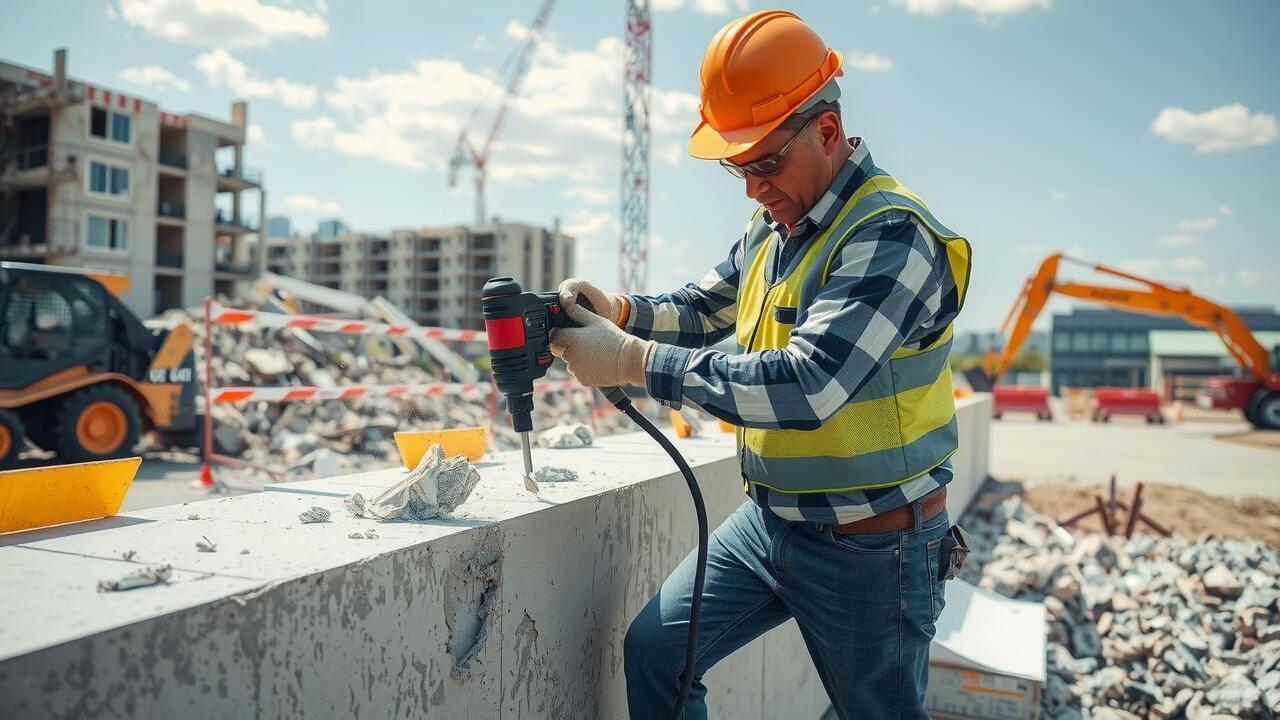
Table Of Contents
Company D
Company D has established a robust reputation for its commitment to safety standards in the concrete demolition industry. The company implements comprehensive training programs for its workforce, ensuring that all employees are well-versed in the latest safety protocols and practices. Regular equipment inspections and maintenance are part of their operational routine, reducing the risk of accidents on job sites. This dedication to safety not only protects workers but also fosters trust with clients who prioritize their projects’ safety.
Compliance with local and federal regulations concerning construction and demolition is essential for Concrete Demolition companies. Company D consistently monitors its practices to align with evolving guidelines. This attention to compliance helps mitigate legal risks and enhances the overall quality of their work. Clients can feel confident knowing that their projects are handled by a company that understands the importance of adhering to established safety and regulatory standards.
Importance of Compliance with Regulations
Compliance with regulations in concrete demolition is critical for ensuring safety and minimizing environmental impact. Adhering to established guidelines protects workers and nearby residents from potential hazards associated with demolition activities. Regulations often dictate the proper handling of hazardous materials, noise control, and site safety measures, emphasizing the importance of following these protocols to create a secure working environment.
Additionally, companies that prioritize compliance often experience benefits beyond safety. They enhance their reputations and build trust within the community. Clients are increasingly aware of the significance of regulatory adherence, often looking for companies committed to best practices in concrete demolition. A strong compliance record can lead to repeat business and referrals, further solidifying a company’s position in the market.
Company E
Company E has established a strong reputation in the concrete demolition industry, primarily due to its commitment to utilizing cutting-edge equipment and advanced technology. This focus on innovation enables the company to handle various demolition projects efficiently and safely. Their arsenal includes specialized machinery designed for precision, reducing both the environmental impact and risk during the demolition process. The implementation of these technologies not only enhances productivity but also ensures that every project meets the high standards expected in concrete demolition.
In addition to their state-of-the-art equipment, Company E actively invests in training their staff on the latest techniques and safety practices. This dedication to employee development ensures that the team is well-prepared to face the complexities of concrete demolition projects. As the industry evolves, Company E remains at the forefront, continuously adapting to incorporate new advancements that improve their operations and better serve their clients. The result is a reliable service that prioritizes efficiency while maintaining a strong emphasis on safety and compliance.
Innovations in Concrete Demolition
The landscape of concrete demolition has been significantly transformed by innovative technologies and methods. Traditional demolition practices often involved heavy machinery and extensive manpower, leading to inefficiencies and heightened risks. Today’s companies leverage advanced tools, such as robotic demolition arms and hydraulic excavators, which not only streamline the process but also enhance precision. These innovations allow for more selective demolition, preserving surrounding structures and minimizing collateral damage.
Additionally, software technologies play a crucial role in planning and executing concrete demolition projects. Building Information Modeling (BIM) and other software solutions enable contractors to create detailed 3D models of structures before demolition begins. This level of preparation helps in anticipating challenges and devising strategies for safe and effective dismantling. As these technologies continue to develop, the concrete demolition industry stands to benefit from increased efficiency, reduced costs, and improved safety measures.
Environmental Considerations in Demolition
Environmental considerations in concrete demolition are becoming critical as the industry faces increasing scrutiny over its practices. Many companies are now implementing eco-friendly strategies aimed at minimizing waste and reducing the carbon footprint associated with demolition activities. For instance, companies are prioritizing recycling materials from demolished structures, ensuring that concrete is repurposed rather than ending up in landfills. This not only conserves resources but also promotes a circular economy within the construction sector.
Sustainability practices extend beyond recycling. Some companies invest in technology that decreases energy consumption during the demolition process. This includes using electric or alternative fuel-powered machinery that significantly lessens harmful emissions. Additionally, many firms actively engage in planning and executing projects that comply with regulations aimed at protecting sensitive environments. By prioritizing eco-conscious methods, these concrete demolition companies demonstrate a commitment to responsible management of resources and environmental stewardship.
Sustainability Practices of Leading Companies
Leading concrete demolition companies are increasingly adopting sustainable practices to minimize their environmental impact. Many of these companies utilize advanced techniques to reduce waste generated during demolition. They often incorporate recycling efforts, with materials being repurposed for new construction projects or other applications. This not only conserves resources but also reduces the amount of debris that ends up in landfills.
In addition to recycling, companies are investing in eco-friendly equipment and technologies that emit fewer pollutants. The use of electric-powered machinery is becoming more common, which helps diminish carbon footprints. Furthermore, these companies often implement thorough training programs for their staff, ensuring that everyone adheres to best practices in sustainable concrete demolition. By focusing on both technology and staff education, they are leading the way in responsible demolition practices.
FAQS
What should I look for when choosing a concrete demolition company in Santee?
When selecting a concrete demolition company, consider their safety standards, equipment and technology used, compliance with regulations, experience in the industry, and sustainability practices. Reading reviews and testimonials can also provide insight into their reliability and quality of work.
Why are safety standards important in concrete demolition?
Safety standards are crucial in concrete demolition to protect workers, the public, and the environment. Companies that prioritize safety reduce the risk of accidents and injuries, ensuring that projects are completed efficiently and responsibly.
How does technology impact concrete demolition processes?
Advanced technology in concrete demolition, such as robotic systems and specialized machinery, enhances precision, efficiency, and safety. These innovations can reduce noise and dust, minimize waste, and complete projects faster compared to traditional methods.
What are some common sustainability practices used by concrete demolition companies?
Leading concrete demolition companies often implement sustainability practices like recycling concrete materials, minimizing landfill waste, using eco-friendly equipment, and adopting methods that reduce environmental impact during demolition.
How can I verify if a demolition company is compliant with local regulations?
You can verify a company’s compliance by checking for necessary licenses, permits, and certifications. It’s also helpful to ask the company directly about their adherence to local regulations and safety standards, as well as reviewing any past project documentation or feedback from previous clients.
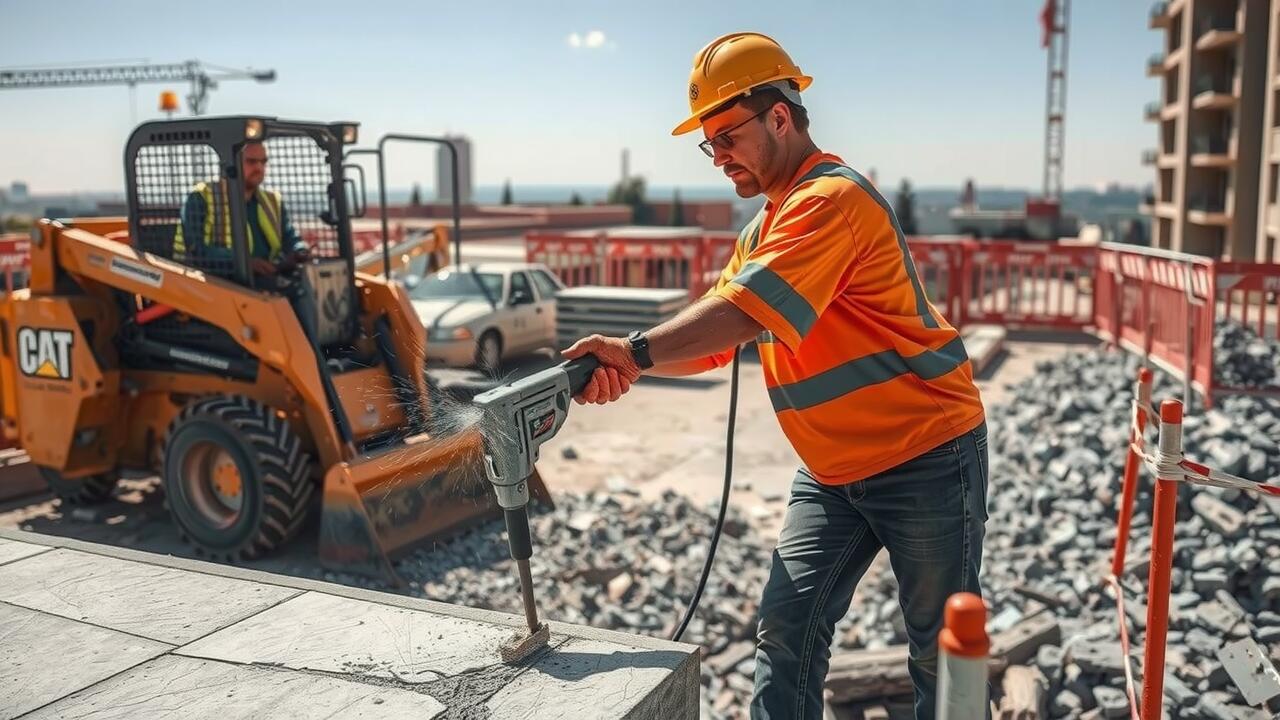
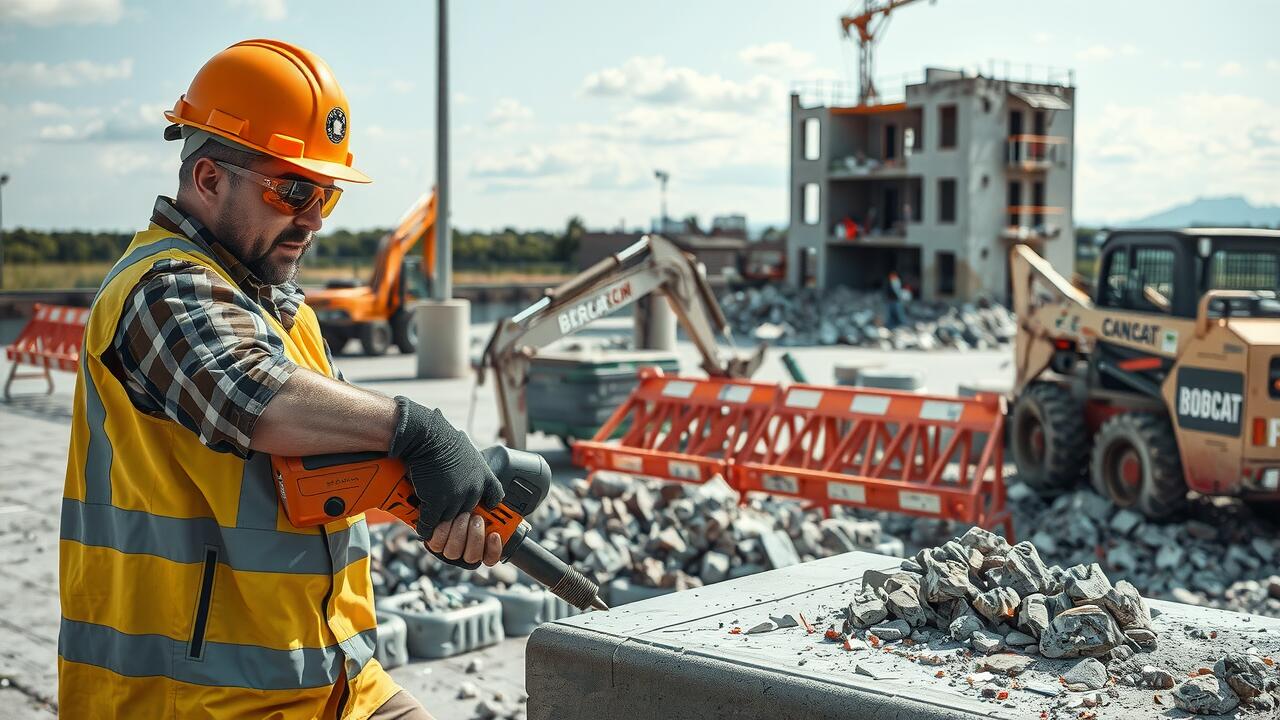
Table Of Contents
Must-Have Concrete Mixers for Repair Work
Concrete mixers are essential tools for any repair work, especially following concrete demolition. Their primary role is to efficiently blend the right proportions of water, cement, and aggregates, ensuring a strong and durable mix. A reliable mixer saves time and effort, making it easier to handle multiple projects or large-scale repairs. Additionally, features such as adjustable mixing speeds and portable designs enhance usability on-site.
Selecting the right concrete mixer can greatly impact the quality of the final product. For concrete demolition-related tasks, look for models with adequate capacity and power to handle larger batches, as this can expedite the repair process. Portable mixers with user-friendly controls can also streamline workflow, allowing teams to focus on other aspects of the demolition and repair. The choice of mixer not only affects efficiency but also the structural integrity of the repairs being made.
Features to Look for in Concrete Mixers
When selecting a concrete mixer for repair work, it’s essential to consider the mixer’s capacity and power. A model with sufficient capacity can handle larger batches, improving efficiency during concrete demolition projects. Additionally, a powerful motor ensures consistent mixing, which is critical for achieving strong and durable concrete blends. Look for features that allow easy operation and transportability, especially if the site requires frequent movement around obstacles.
Another important feature to evaluate is the drum design. A tilting drum design can facilitate easy pouring and ensure complete unloading, reducing waste and time on the job. Durability is also a key factor; mixers made from high-quality materials can withstand the rigors of frequent use on concrete demolition tasks. Finally, consider models with adjustable mixing speeds, as this can help tailor the mixing process to specific project requirements.
Innovative Dust Suppression Equipment
Effective dust suppression is essential during concrete demolition projects to maintain a safe work environment. Innovative dust suppression equipment has been developed to minimize airborne particles generated by demolition activities. Options such as water mist systems, fog cannons, and wetting agents can significantly reduce dust emissions. These tools are designed to efficiently capture dust at the source, preventing it from spreading throughout the worksite and into surrounding areas.
Utilizing advanced dust suppression technology not only improves visibility on-site but also enhances the health and safety of workers. Controlling dust minimizes respiratory hazards associated with the inhalation of concrete particles, which can lead to serious health issues over time. Additionally, proper dust management helps comply with local regulations, ensuring that contractors meet environmental standards during concrete demolition tasks. Investing in such equipment can lead to smoother operations and improved project outcomes.
Benefits of Dust Control in Demolition
Controlling dust during concrete demolition is essential for maintaining a safe work environment. Dust generated from breaking down concrete can contain hazardous particles, impacting air quality and contributing to respiratory issues among workers. Effective dust suppression methods limit airborne contaminants, ensuring that the workspace remains safe and compliant with health regulations.
Additionally, reducing dust enhances visibility on the job site, which is critical for safety and efficiency. When dust clouds settle, workers face challenges in navigating the area, increasing the risk of accidents or equipment misuse. Implementing dust control strategies allows for a clearer line of sight and better communication among team members, ultimately leading to a more productive demolition process.
Safety Gear for Demolition Teams
In concrete demolition, safety gear is essential for protecting workers from the various hazards encountered on the job site. Hard hats provide protection against falling debris, while safety goggles shield the eyes from dust and flying particles. Ear protection helps to mitigate the impact of loud machinery, and gloves prevent cuts and abrasions from sharp concrete fragments. Steel-toed boots offer crucial protection against heavy objects that may be accidentally dropped.
Respirators are vital for reducing inhalation of harmful dust and particles, especially during activities that create significant airborne debris. High-visibility vests enhance visibility in busy work environments, ensuring that team members can easily spot one another. Harnesses and lanyards are necessary for any work at heights, particularly when using equipment like elevated platforms or scaffolding. Proper safety gear not only safeguards workers but also promotes a culture of safety on concrete demolition sites.
Key Safety Equipment for Concrete Work
In concrete demolition, safety should always be a top priority for workers. Essential safety gear includes hard hats, goggles, and hearing protection. These items protect team members from falling debris, flying particles, and excessive noise, which are common hazards on a job site. Additionally, high-visibility vests help ensure that workers are easily seen, reducing the risk of accidents, especially in busy environments.
Footwear is another critical aspect of safety during concrete demolition. Steel-toed boots provide the necessary protection against heavy equipment and materials. Gloves designed for grip and resistance to cuts also play a crucial role in safeguarding hands. Proper clothing that fits well and is made from durable materials further enhances protection against the elements and potential injuries. Investing in quality safety equipment helps promote a safer work environment for everyone involved in concrete demolition.
FAQS
What are the best tools for concrete demolition?
Some of the best tools for concrete demolition include jackhammers, concrete saws, demolition hammers, and concrete mixers. Each tool serves a different purpose and can enhance efficiency in the demolition process.
Why is dust suppression important during concrete demolition?
Dust suppression is crucial during concrete demolition to minimize airborne particles, which can pose health risks to workers and nearby residents. It also helps maintain visibility on the job site and reduces cleanup time.
What features should I look for in a concrete mixer?
When choosing a concrete mixer, look for features such as capacity, portability, mixing speed, and durability. Additionally, consider whether it has a solid frame, easy-to-use controls, and efficient mixing capabilities.
What safety gear is essential for demolition teams?
Essential safety gear for demolition teams includes hard hats, safety goggles, hearing protection, gloves, and steel-toed boots. It’s also advisable to use respiratory protection when dealing with dust and hazardous materials.
How can I effectively control dust during demolition work?
Effective dust control can be achieved by using water suppression systems, dust collectors, and vacuum-equipped tools. Additionally, scheduling demolition work on calm days and covering materials can further minimize dust generation.
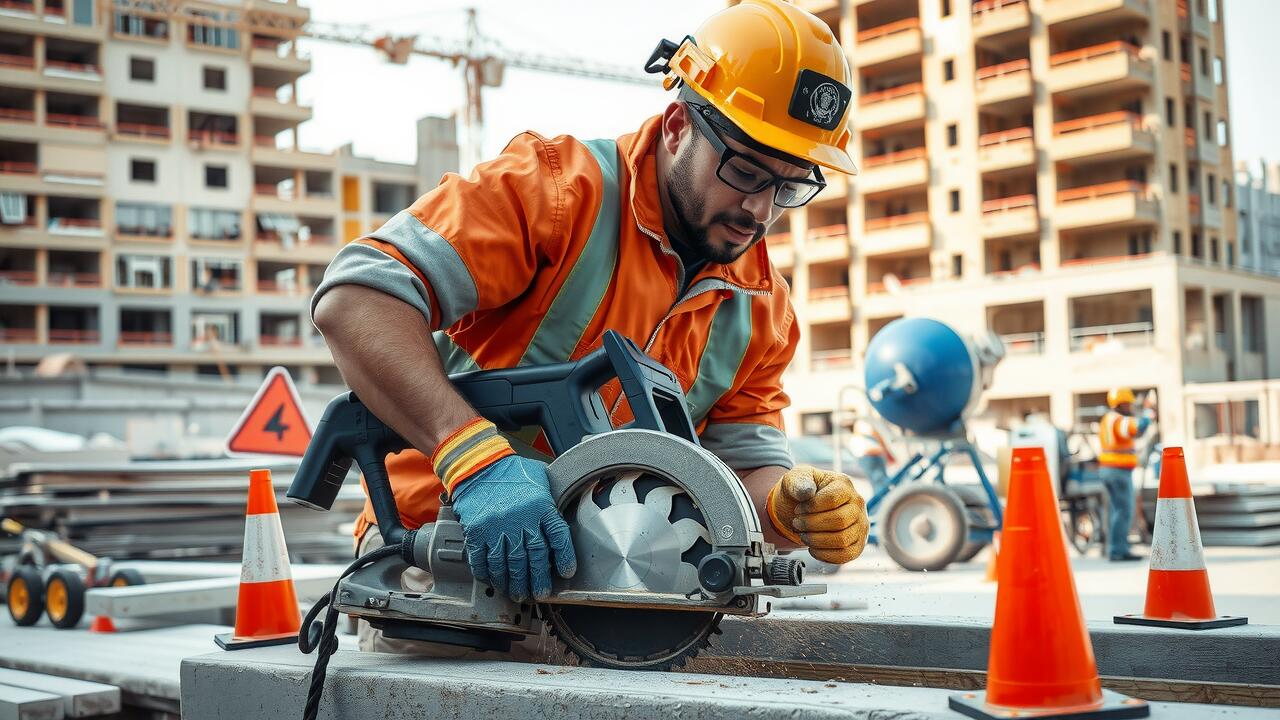
Table Of Contents
Pricing Comparison of Concrete Cutting Services
Concrete cutting services vary widely in pricing due to several factors, including the complexity of the project and the specific techniques employed. Companies often charge based on the square footage of concrete being cut, the type of cutting method utilized, and any additional services needed, such as debris removal or site preparation. It’s essential for clients to gather multiple quotes to understand the pricing landscape fully and make informed decisions based on their budget and requirements.
Additionally, the experience and reputation of the concrete cutting company can impact costs. Established companies with a strong portfolio may charge higher rates due to their reliability and expertise. On the other hand, newer businesses might offer competitive pricing to attract clients. It’s important for potential customers to weigh cost against quality to ensure they choose the right contractor for their concrete cutting needs.
Understanding Rate Structures
In the concrete cutting industry, the rate structures often vary significantly based on multiple factors. Service providers typically consider project complexity, the type of machinery used, and the specific services rendered. For example, cutting through reinforced concrete may require more specialized equipment and expertise, thus increasing the overall cost. Additionally, geographical location can play a significant role in pricing, as labor rates and demand fluctuate across different regions.
Another critical aspect of understanding rate structures involves the potential for additional fees. Some companies may charge extra for specific tasks such as removal of debris or additional rework if initial measurements are off. It’s essential for clients to clarify these details upfront to avoid unexpected costs. Transparent communication regarding the scope of work can lead to a more accurate estimate and a smoother project experience.
Safety Standards in Concrete Cutting
Safety is paramount in the concrete cutting industry. Workers often face various risks, including exposure to dust, noise, and the operation of powerful machinery. Companies must implement strict safety protocols to protect their employees. Regular training sessions ensure that workers are familiar with the equipment and understand the potential hazards associated with concrete cutting. Personal protective equipment, such as hard hats, goggles, and respiratory masks, is essential to minimize risks on job sites.
Compliance with industry safety standards is crucial for concrete cutting companies. Organizations like OSHA provide guidelines that help maintain a safe working environment. Companies must adhere to these regulations to avoid penalties and ensure the well-being of their crew. Regular inspections and audits can help identify potential hazards before they result in accidents. By prioritizing safety, concrete cutting companies not only protect their workers but also enhance their overall reputation in the industry.
Compliance and Best Practices
When selecting a concrete cutting company, compliance with local regulations and industry standards is crucial. Companies should ensure their operations meet safety codes and environmental guidelines. This adherence not only protects the workers involved but also minimizes risks to the surrounding community. Certifications and licenses play a significant role in establishing a company’s credibility. Firms that prioritize compliance demonstrate their commitment to quality and safety in all concrete cutting projects.
Best practices in concrete cutting involve employing the latest technology and techniques to enhance efficiency and precision. Companies often invest in training their workforce, ensuring that employees are knowledgeable about equipment and safety protocols. Utilizing advanced tools helps reduce noise, dust, and waste, contributing to a cleaner job site. Companies that follow these best practices can often produce higher-quality results while fostering trust with clients and maintaining a positive industry reputation.
Environmental Impact of Concrete Cutting
Concrete cutting is often associated with significant environmental concerns. The process can generate dust, noise, and vibrations that impact nearby communities and ecosystems. Dust created during concrete cutting can carry harmful particulates that affect air quality. In urban settings, these disturbances can disrupt local wildlife and lead to potential health issues for residents.
However, many companies are adopting sustainable practices to mitigate these effects. Advanced technologies such as water cooling systems help reduce dust generation during concrete cutting. Moreover, the shift towards diamond blade cutting techniques minimizes noise pollution and enhances efficiency. These efforts show a growing commitment within the industry to balance operational needs with environmental responsibility.
Sustainable Practices in the Industry
The concrete cutting industry has increasingly adopted sustainable practices aimed at minimizing environmental impact. Many companies now utilize advanced tools and techniques that reduce dust emissions and noise levels during operations. This not only enhances the work environment for teams but also lessens disturbances to surrounding communities. Additionally, the use of electric or hybrid machinery is becoming more common, which lowers greenhouse gas emissions compared to traditional gas-powered equipment.
Recycling materials is another crucial aspect of sustainability in concrete cutting. Companies often seek ways to repurpose concrete debris generated from cutting projects. These materials can be crushed and reused in new construction or landscaping, thus conserving natural resources and reducing waste in landfills. By implementing these eco-friendly strategies, the industry moves towards a more sustainable future while maintaining efficiency and performance in concrete cutting services.
FAQS
What factors influence the pricing of concrete cutting services in Santee?
The pricing of concrete cutting services can be influenced by various factors, including the size and complexity of the job, the type of concrete being cut, the equipment required, and the company’s experience and reputation.
How can I ensure that a concrete cutting company adheres to safety standards?
To ensure a concrete cutting company adheres to safety standards, you can check for their certifications, inquire about their safety protocols, and look for reviews or testimonials regarding their safety practices from previous clients.
What are some sustainable practices employed by concrete cutting companies?
Sustainable practices in the concrete cutting industry may include using eco-friendly cutting methods, recycling concrete debris, minimizing waste, and utilizing energy-efficient equipment.
How do I choose the best concrete cutting company for my project?
To choose the best concrete cutting company, consider factors such as their experience, customer reviews, pricing, safety records, and the range of services offered. It’s also beneficial to request quotes from multiple companies to compare options.
Are there any environmental regulations that concrete cutting companies must follow?
Yes, concrete cutting companies must comply with various environmental regulations, which may include proper waste disposal, emissions control, and adherence to local noise ordinances to minimize their environmental impact.
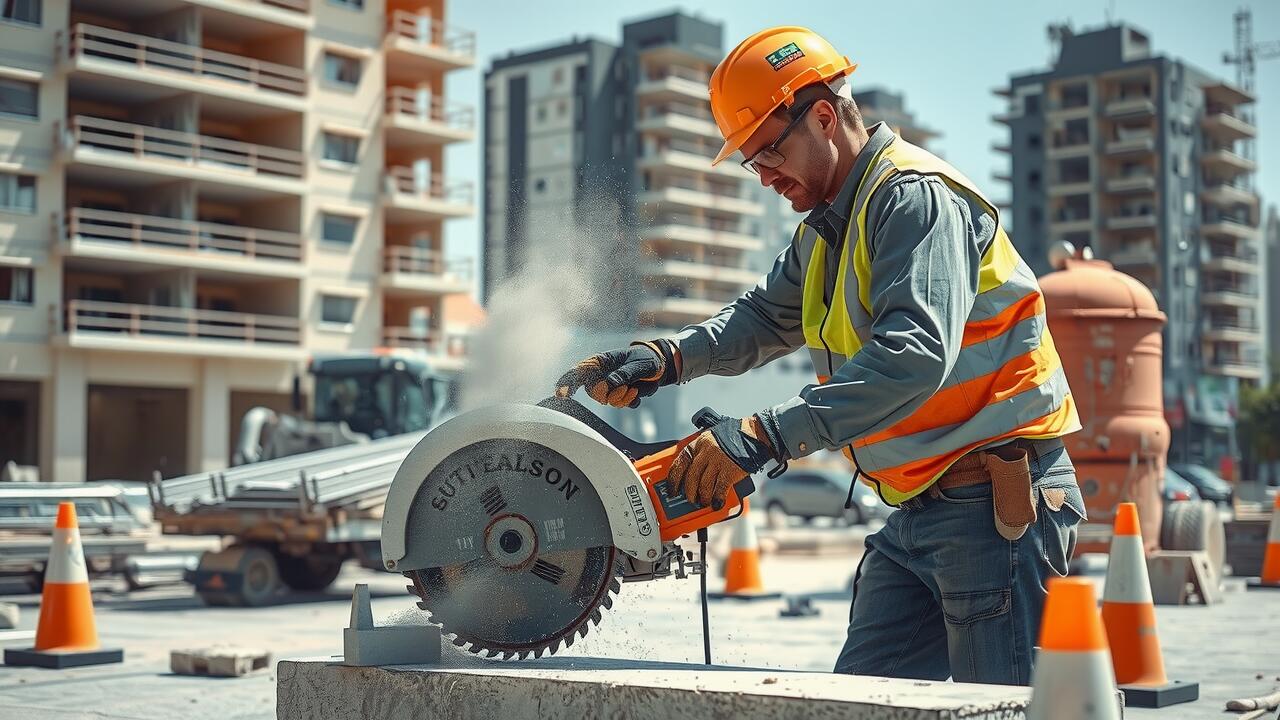
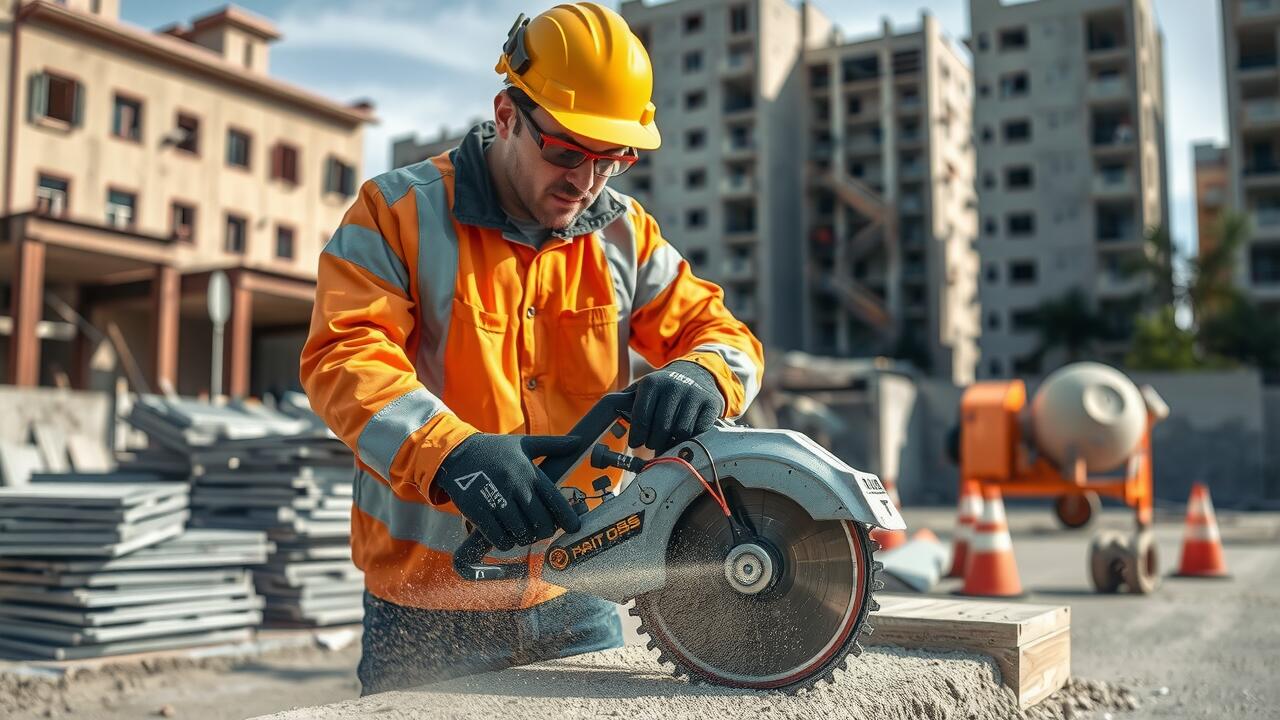
Table Of Contents
Selecting the Right Blade
When it comes to concrete cutting, selecting the right blade is crucial for achieving optimal results. Blades come in various types, each designed for specific materials and cutting tasks. Diamond blades are among the most popular for their durability and efficiency. They can tackle reinforced concrete as well as asphalt. Knowing whether you need a segmented, turbo, or continuous rim blade enhances your chances of a successful project. Each design has its advantages that cater to different cutting techniques and finishes.
The thickness and density of the concrete will determine the number of available cutting options. A thinner blade might work well for softer concrete, while a thicker one is necessary for harder materials. Additionally, consider whether the cutting will be performed wet or dry, as this may influence your blade choice. Matching the blade to your specific application ensures smoother cuts and reduces wear on both the blade and the cutting equipment. Taking time to assess your project needs will pay off in terms of efficiency and quality.
Factors Influencing Blade Choice
When selecting the right blade for concrete cutting, several factors play a critical role in ensuring optimal performance. The type of concrete being cut, whether it’s standard, reinforced, or decorative, will influence the choice of blade materials and thickness. Additionally, the cutting method—whether hand-held or wall saw—also impacts the recommended blade specifications. Each application may warrant unique features, such as diamond segments designed for durability or specific particle sizes suited to the concrete’s density and strength.
Another important consideration is the diameter of the blade, as larger blades can cut deeper and may be more efficient for thicker concrete sections. However, smaller blades offer better control and precision for intricate work. The cutting environment is equally significant; wet cutting may require blades specifically engineered to withstand high moisture levels. All these factors must be taken into account to ensure the selected blade meets the demands of your concrete cutting project effectively.
Techniques for Precision Cutting
Achieving precision in concrete cutting requires careful attention to technique and equipment. Start by marking clear, straight lines on the surface. Using a chalk line or laser guide helps in creating visually accurate cutting paths. The selected blade must match the intended cutting depth, ensuring thorough penetration without risking excessive chipping or cracking along the edges. A steady hand combined with a controlled speed during cutting aids in maintaining the integrity of the concrete while enhancing overall precision.
Stability plays a crucial role in executing clean cuts. Employing a sturdy saw with anti-vibration features can significantly reduce the likelihood of wandering cuts. Additionally, securing the workpiece if possible minimizes movement during the cutting process. Regular checks on alignment throughout the operation help maintain accuracy and prevent the potential for uneven surfaces. Proper training in manipulation techniques enhances skill, resulting in smoother finishes and tighter tolerances in concrete cutting projects.
Maintaining Accuracy in Your Cuts
Maintaining accuracy in your cuts during concrete cutting requires careful planning and setup. Marking your cutting lines precisely is essential for ensuring that the final result aligns with your project specifications. Utilizing tools like chalk lines, markers, or even laser guides can enhance the precision of your cuts, dramatically reducing the chance of errors that could lead to wasted materials or time.
Another key factor in achieving accurate cuts is the proper handling of your cutting equipment. Ensuring that your saw or cutting tool is well-maintained and calibrated helps in achieving clean, straight lines. Regularly checking blade alignment and the tension of the equipment contributes to more accurate cutting outcomes. Prepping your workspace by securing the concrete slab properly can also help in maintaining stability during the cutting process.
Managing Dust and Debris
Managing dust and debris during concrete cutting is crucial to ensure a safe work environment and maintain visibility. Dust generated from cutting can create hazards for workers and affect the surrounding area. Utilizing proper dust control methods helps minimize the spread of particles. Water is often used as a direct method to suppress dust at the source. This approach not only reduces airborne dust but also lowers the temperature of the cutting surface, enhancing the efficiency of the equipment.
Vacuum systems equipped with high-efficiency particulate air (HEPA) filters can further aid in capturing dust as it is generated. These systems are designed to work alongside cutting equipment, providing continuous suction to mitigate debris buildup. Regularly cleaning the work area helps maintain optimal work conditions. Ensuring all workers are equipped with proper personal protective equipment (PPE), such as respirators and safety goggles, also plays a vital role in promoting safety during concrete cutting activities.
Effective Dust Control Solutions
Dust control is vital during concrete cutting to ensure a safe working environment and maintain visibility. One effective approach involves using water to suppress dust, as it helps dampen the material being cut and prevents particles from becoming airborne. Utilizing specialized cutting tools equipped with water delivery systems can significantly reduce dust while also extending the life of the blade.
In addition to water, investing in high-quality dust extraction systems can further enhance dust management on job sites. These systems can be attached to power tools or used as standalone units to capture dust at the source. Ensuring these systems are properly maintained and equipped with appropriate filters is crucial for optimal performance, reducing the health risks associated with inhaling concrete dust.
FAQS
What factors should I consider when selecting a blade for concrete cutting?
When selecting a blade for concrete cutting, consider factors such as the type of concrete you are cutting, the thickness of the material, the desired cutting speed, and whether you need a wet or dry cutting blade.
How can I ensure precision in my concrete cuts?
To ensure precision in your concrete cuts, use a high-quality saw, mark your cutting lines clearly, and maintain a steady hand while cutting. Additionally, using a guide or fence can help keep your cuts straight.
What are some effective dust control solutions during concrete cutting?
Effective dust control solutions include using a wet cutting method, employing dust shrouds or vacuums attached to your saw, and wearing appropriate personal protective equipment to minimize inhalation of dust particles.
How often should I maintain my concrete cutting tools?
Maintenance frequency depends on the amount of use and the specific tools, but it’s generally a good idea to inspect your tools before each use, clean them regularly, and replace blades when they show signs of wear or damage.
Can I cut concrete without professional help?
Yes, you can cut concrete without professional help if you have the right tools, training, and safety precautions in place. However, for larger or more complex projects, it may be beneficial to consult with or hire professionals to ensure safety and accuracy.
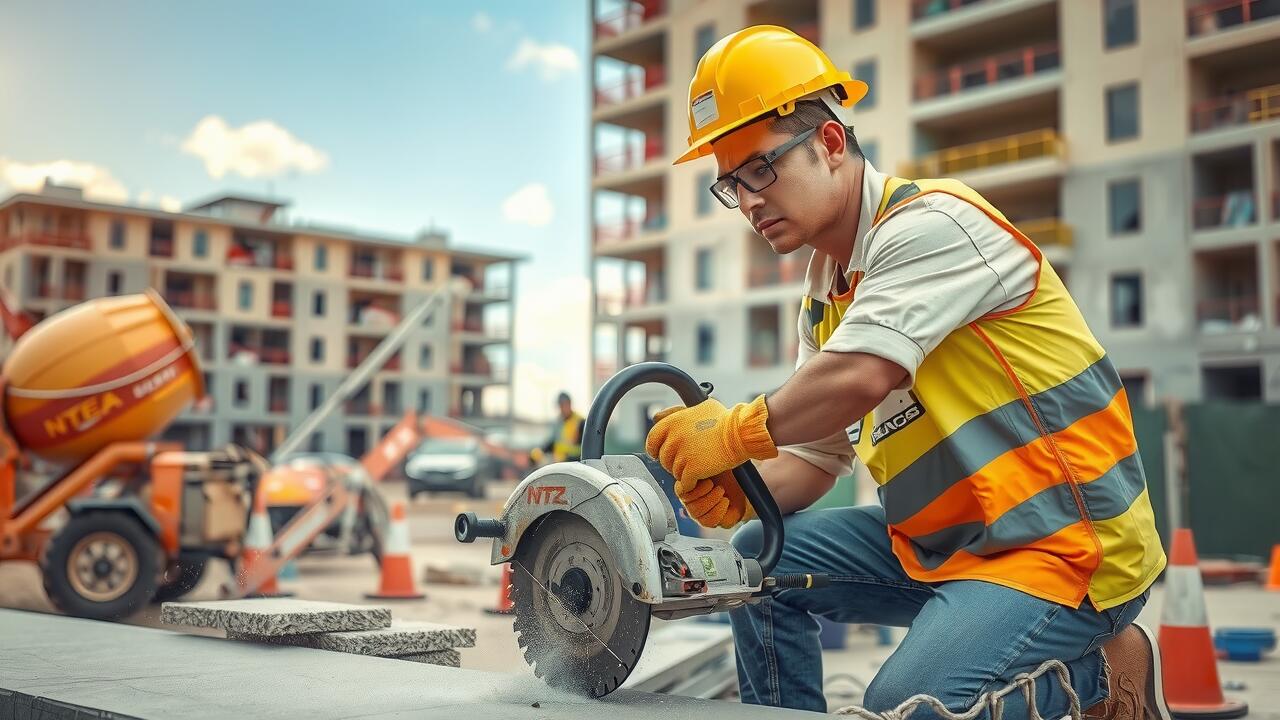
Table Of Contents
Company 3
All-Star Concrete Cutting has built a strong reputation for providing reliable and efficient services in the Poway area. The company prides itself on using advanced techniques to ensure precision in every project. With a dedicated team of professionals, they manage jobs ranging from small residential tasks to large commercial undertakings. Clients often highlight the quality of their work and the ability to meet tight deadlines without compromising on safety.
When it comes to pricing, All-Star Concrete Cutting offers transparent estimates that reflect the scope of the project. They take into consideration various factors such as job size, complexity, and material requirements. This approach allows clients to plan their budgets effectively while receiving top-notch concrete cutting services. The commitment to client satisfaction has made them a preferred choice among local contractors and property owners alike.
Pricing Structure and Estimates
All-Star Concrete Cutting offers a transparent pricing structure that ensures customers understand the costs involved in their services. Estimates are typically provided after a thorough assessment of the project requirements. This approach allows clients to receive tailored quotes based on factors such as project size and complexity. Customers often appreciate this clarity, which helps them make informed decisions without any hidden fees.
In addition to providing free estimates, All-Star Concrete Cutting is committed to competitive pricing within the industry. Their pricing reflects the quality of materials and techniques employed in each project, assuring clients that they receive excellent value. The company’s focus on customer satisfaction means they strive for accuracy in their quotes, ensuring that the final bill aligns closely with initial estimates. This level of transparency helps build trust and fosters long-term relationships with clients seeking reliable concrete cutting services.
Company 4
Cutting Edge Concrete stands out in the competitive landscape of concrete cutting services in Poway, California. This company focuses on utilizing advanced technology and precision equipment, which allows them to tackle various projects efficiently. Their expertise spans residential, commercial, and industrial applications. Clients appreciate the company’s commitment to quality, ensuring every cut meets high industry standards.
With a team of skilled technicians, Cutting Edge Concrete guarantees not only precision in their work but also safety on every job site. They invest in state-of-the-art tools that enable them to handle even the most challenging concrete cutting tasks. This emphasis on modern technology allows them to deliver prompt services without compromising on quality, making them a reliable choice for customers in need of expert concrete cutting solutions.
Technology and Equipment Used
Cutting Edge Concrete utilizes state-of-the-art technology and equipment to ensure precision and efficiency in their concrete cutting services. They invest in advanced diamond blade saws, which provide clean cuts and minimize the need for extensive post-cutting repairs. This commitment to quality tools allows them to handle various projects, from residential renovations to large commercial undertakings. Their machinery is regularly maintained and updated to meet industry standards.
The company also implements innovative cutting techniques that enhance safety and reduce downtime. With a focus on environmentally friendly practices, Cutting Edge Concrete employs wet cutting methods to suppress dust and debris during the concrete cutting process. This conscious choice not only protects the surrounding environment but also provides a cleaner work site. Clients can rely on their expertise to deliver professional results tailored to specific project requirements.
Company 5
Reliable Concrete Services has established a reputation for delivering high-quality concrete cutting solutions in Poway, California. Their team comprises seasoned professionals who understand the intricacies of various concrete cutting techniques. This expertise allows them to tackle a wide range of projects, whether residential or commercial. Client testimonials often highlight the company’s commitment to precision and attention to detail, ensuring that each job meets the specific needs of their customers.
In addition to their skilled workforce, Reliable Concrete Services emphasizes the importance of using modern equipment. The advanced tools they employ facilitate clean cuts and minimize disruption to the surrounding environment. They keep up with industry advancements, which enhances their service delivery and overall project efficiency. Customers can expect thorough consultations to develop tailored solutions while adhering to safety standards and best practices in concrete cutting.
Experience and Expertise in the Industry
Reliable Concrete Services boasts extensive experience in the concrete cutting industry. With over a decade of service in Poway, the company has built a solid reputation for delivering high-quality work. Their crew consists of skilled professionals trained to handle various concrete cutting projects, from residential renovations to large-scale commercial jobs. This depth of experience allows them to tackle challenges with precision and efficiency.
The expertise at Reliable Concrete Services is evident in their approach to each project. They employ best practices and adhere to safety standards, ensuring that every job is completed securely and satisfactorily. Their team is knowledgeable about different techniques and equipment necessary for effective concrete cutting, which enhances the overall quality of their work. Clients can trust that they are working with experts who understand the intricacies of the field.
FAQS
What services do concrete cutting companies typically offer?
Concrete cutting companies generally offer services such as wall sawing, flat sawing, core drilling, and curb cutting, among others, to accommodate various construction and renovation needs.
How do I choose the right concrete cutting company in Poway?
To choose the right company, consider factors such as their experience, customer reviews, pricing structure, the technology and equipment they use, and their licensing and insurance.
Are estimates for concrete cutting services usually free?
Yes, many concrete cutting companies offer free estimates to help you understand the potential costs involved before making a decision.
What kind of technology and equipment do these companies use?
Top concrete cutting companies often utilize advanced technology and equipment such as diamond blades, robotic saws, and water-jet cutting systems to ensure precision and efficiency in their work.
How can I ensure the safety of workers during a concrete cutting project?
To ensure safety, choose a company that adheres to industry safety standards, provides proper training for their workers, and uses appropriate safety equipment and procedures during the cutting process.
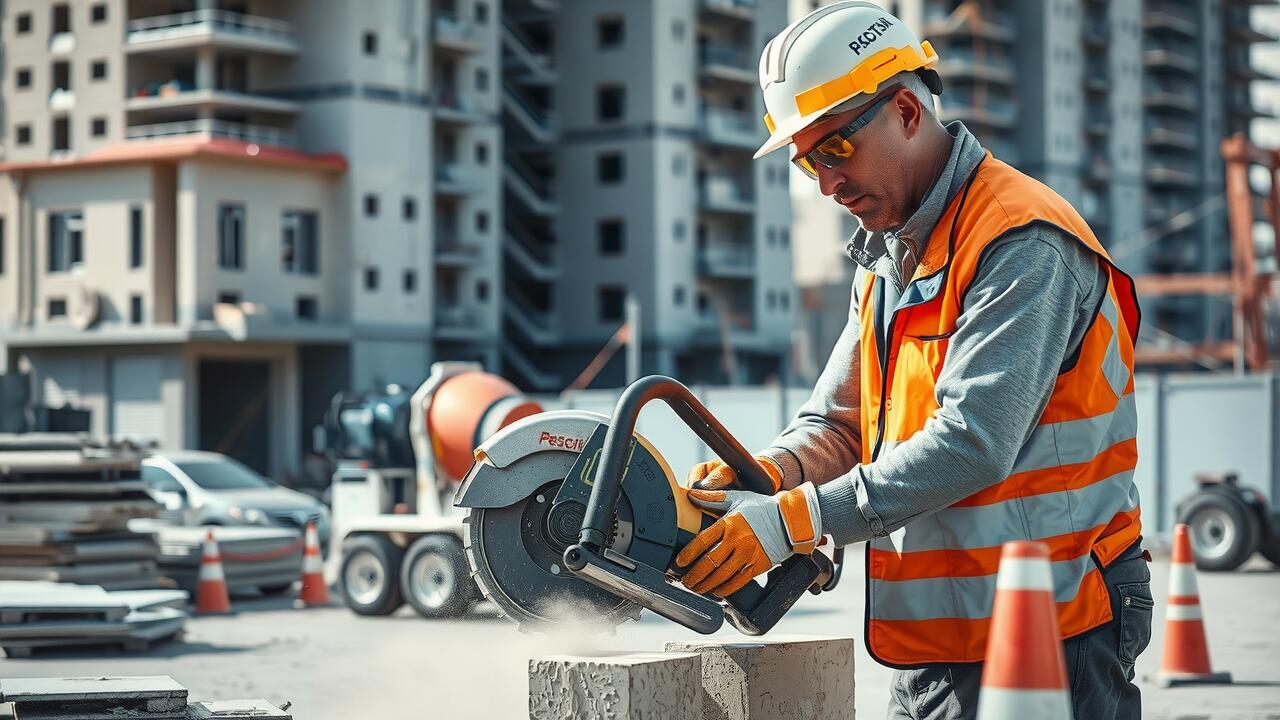
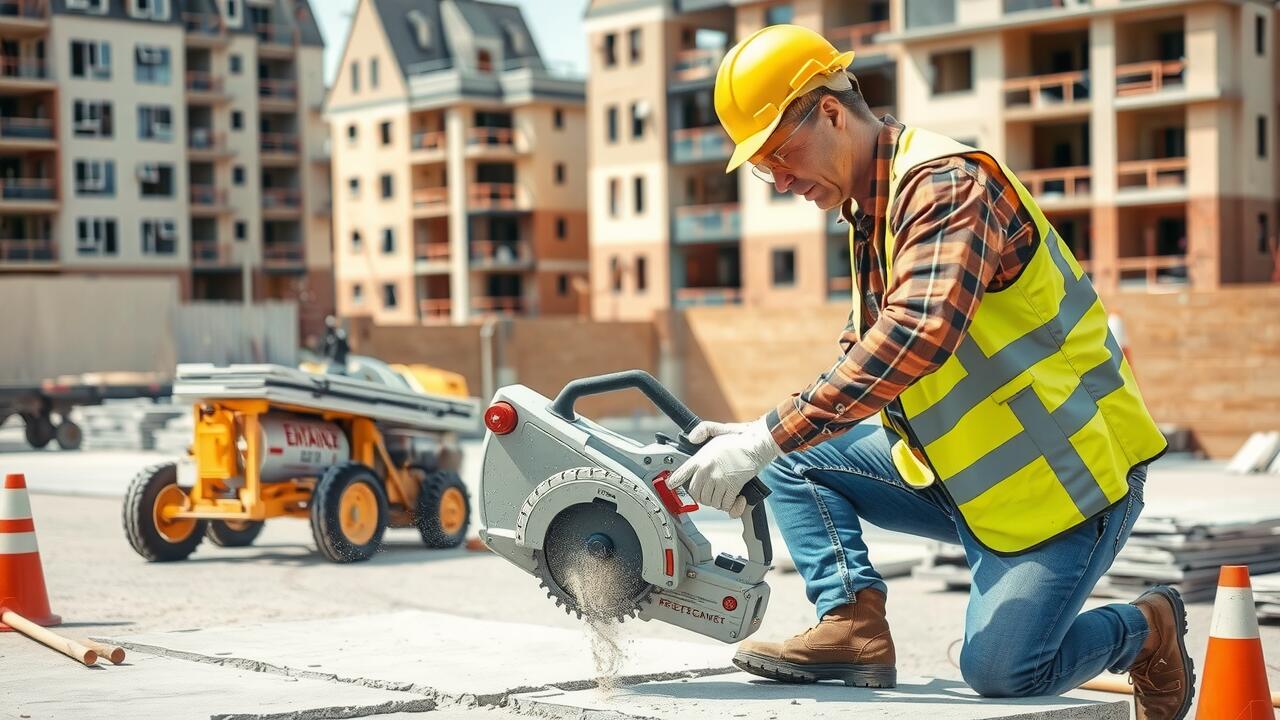
Table Of Contents
Core Drills
Core drills are essential tools in the realm of concrete cutting, particularly for applications requiring precision and accuracy. These drills utilize a cylindrical cutting bit to extract a core sample from concrete surfaces. The process allows for the creation of clean, circular holes, making them ideal for installing pipes, electrical conduit, or plumbing fixtures. Various sizes and diameters of core bits are available, enabling contractors to select the appropriate tool for specific job requirements.
Modern core drills can be powered by electric or hydraulic systems, each offering unique benefits to contractors. Electric core drills are generally lighter and more portable, suitable for smaller projects or indoor applications. Hydraulic core drills, on the other hand, provide greater power and efficiency, making them more effective for larger and more demanding concrete cutting tasks. The choice between these types ultimately depends on the project scope, required precision, and the environment in which the work will be performed.
Understanding Core Drilling Techniques
Core drilling is a specialized technique in concrete cutting that employs a cylindrical drill bit to remove a core sample from a solid surface. This method is often used for creating precise holes in materials like concrete, brick, and masonry, making it ideal for various construction and renovation projects. The drill operates by using a diamond-tipped bit, which allows it to penetrate tough surfaces efficiently. Operators typically employ water as a lubricant to reduce dust and cool the bit during the cutting process.
There are several core drilling techniques, each tailored to specific project requirements. Wet core drilling is commonly used for its ability to minimize dust and prolong the life of the drill bit, while dry core drilling is more suitable for quick jobs where water usage is a concern. The size of the core drill can vary, accommodating different diameters to suit tasks ranging from plumbing installations to electrical conduit placements. Understanding these techniques ensures that operators can select the right approach for effective concrete cutting, enhancing overall project efficiency.
Wire Saws
Wire saws are a popular choice for concrete cutting, particularly in projects that require precision and efficiency. These tools utilize a continuous loop of wire embedded with diamonds to slice through various concrete structures. The design allows for flexibility and reduced noise, making wire saws suitable for large-scale applications such as bridges and buildings. Their ability to make intricate cuts without creating excessive vibrations minimizes damage to surrounding areas.
The efficiency of wire saws significantly contributes to project timelines. They can effectively cut through thick concrete, often in less time than traditional cutting methods. Since wire saws can be set up to operate at different angles, they offer versatility in accessing hard-to-reach spots. This adaptability not only streamlines the concrete cutting process but also enhances overall productivity on job sites.
The Efficiency of Wire Saws in Large Projects
Wire saws have become a preferred tool for concrete cutting in large construction projects due to their versatility and precision. They utilize a diamond-coated wire that can navigate through dense materials, allowing for intricate cuts that traditional saws might struggle with. This capability minimizes waste, as operators can achieve cleaner lines with less disruption to the surrounding structure. Additionally, the speed of wire saws helps expedite the cutting process, making them invaluable for projects with tight deadlines.
Another advantage of wire saws is their ability to cut thick concrete without compromising the integrity of surrounding materials. Unlike conventional saws, which may generate excessive vibrations and stress, wire saws operate with reduced impact. This characteristic is crucial in large-scale operations where maintaining structural stability is a priority. The precision and efficiency of wire saws not only enhance productivity but also contribute to safer working conditions on-site, facilitating better overall project management.
Hydraulic Cutters
Hydraulic cutters are powerful tools widely recognized for their effectiveness in concrete cutting. These devices utilize hydraulic pressure to operate blades or jaws, allowing for precise and efficient cuts. Their design often includes specialized features that enhance cutting capabilities, making them suitable for various types of concrete structures. Users appreciate the reduced noise levels and lower vibration compared to traditional mechanical cutting methods, enabling a safer work environment.
The versatility of hydraulic cutters makes them ideal for different applications, including demolitions and trenching. Operators can easily maneuver these tools in tight spaces, allowing for greater control over the cutting process. Additionally, the ability to adapt the blades for specific tasks contributes to their appeal in both small-scale projects and large construction sites. The combination of power and precision further establishes hydraulic cutters as essential equipment in the field of concrete cutting.
How Hydraulic Technology Enhances Cutting Efficiency
Hydraulic cutters have revolutionized the field of concrete cutting, providing superior power and efficiency compared to traditional methods. These tools utilize hydraulic pressure to generate the necessary force for cutting through reinforced concrete. The ability to adjust pressure levels allows operators to control the speed and depth of cuts, enhancing precision without sacrificing performance. This adaptability makes hydraulic cutters suitable for a wide range of applications, from smaller renovation projects to large-scale construction.
The technology behind hydraulic cutters also minimizes the physical strain on operators. With reduced manual effort required, workers can focus on their tasks with greater accuracy and reduced fatigue. The resulting cleaner cuts and reduced debris generation contribute to a safer working environment. Moreover, these tools often come equipped with features designed for greater safety and convenience, such as automatic shut-off systems and ergonomic designs, further improving the overall cutting experience in concrete cutting projects.
FAQS
What are core drills and how do they work?
Core drills are specialized tools used to create cylindrical holes in concrete and other hard materials. They work by using a hollow, rotating drill bit that removes a core of material as it penetrates, making it ideal for tasks like plumbing and electrical installations.
What are the advantages of using wire saws for concrete cutting?
Wire saws are highly efficient for cutting large sections of concrete, as they allow for precise cuts with minimal waste. They can easily navigate complex shapes and are capable of cutting through reinforced concrete without damaging surrounding structures.
How do hydraulic cutters differ from traditional cutting tools?
Hydraulic cutters use hydraulic power to generate high cutting forces, making them more effective for heavy-duty applications. They can cut through thick concrete and steel reinforcements with ease, providing better performance in challenging conditions compared to traditional electric or pneumatic tools.
What factors should I consider when choosing a concrete cutting tool?
When selecting a concrete cutting tool, consider the type and thickness of the material, the desired precision of cuts, project scale, and whether the environment requires portable or stationary equipment. Additionally, safety features and ease of use are essential factors to evaluate.
Are there safety precautions to take when using concrete cutting equipment?
Yes, it is crucial to follow safety precautions such as wearing appropriate personal protective equipment (PPE), including goggles, gloves, and respiratory protection. Additionally, ensure the work area is clear of debris, and always be aware of your surroundings to prevent accidents.
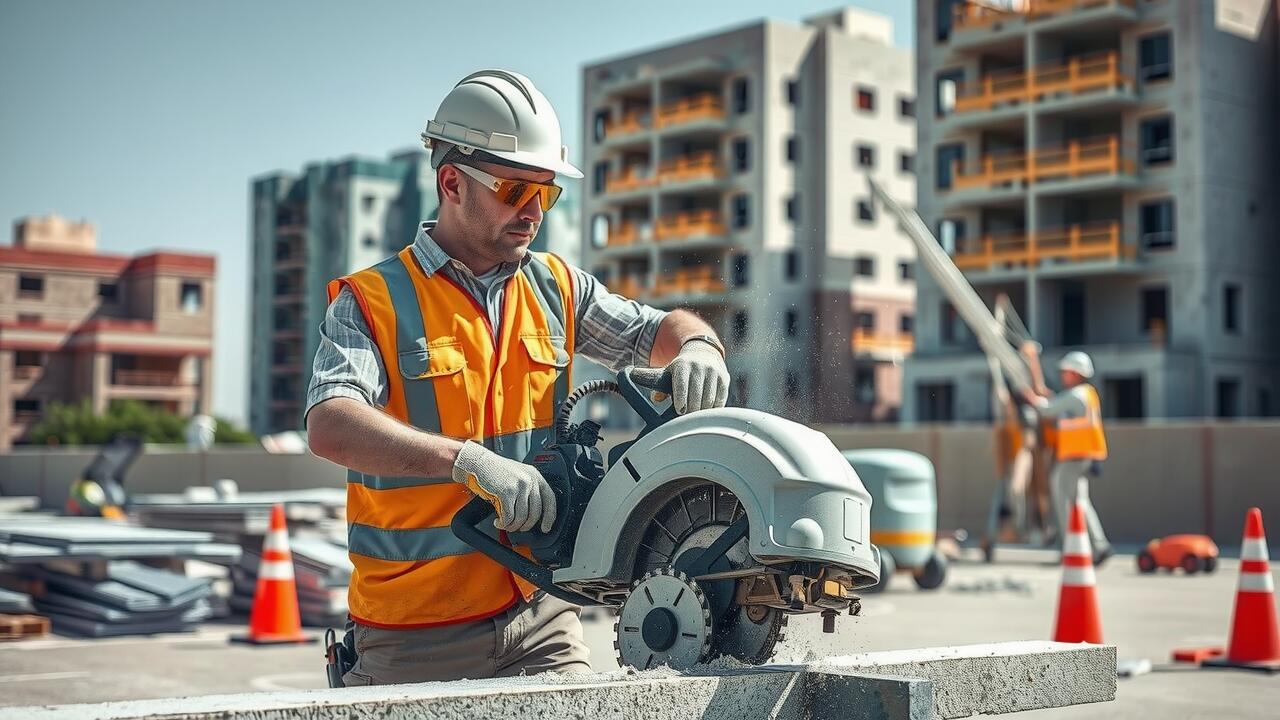
Table Of Contents
Managing Dust and Debris
Concrete cutting generates a significant amount of dust and debris, which can create safety hazards and complicate the work environment. It is essential to implement effective dust management practices to protect both the project site and surrounding areas. Adequate containment measures, such as plastic sheeting or temporary walls, can confine the dust to a specific area. Utilizing tools equipped with dust extraction systems is another proactive approach that captures finer particles at the source, reducing airborne dust.
In addition to containment, planning for debris disposal is crucial for maintaining a clean worksite. Setting up a designated area for collecting cut materials helps streamline the cleanup process. Regularly removing debris not only enhances safety but also improves overall workflow efficiency. Workers should wear appropriate protective gear, such as masks and goggles, to minimize exposure to dust created during concrete cutting. Ensuring everyone on site is aware of dust management protocols fosters a safer and more organized environment.
Effective Dust Control Solutions
Effective dust control is essential during concrete cutting to maintain a safe and clean work environment. Utilizing water during the cutting process can significantly minimize dust generation. Wet cutting techniques not only reduce airborne particles but also help to cool the blade, resulting in cleaner cuts. In addition to water, vacuum systems equipped with HEPA filters can effectively capture dust at the source, ensuring that most of it does not disperse into the air.
Another solution involves using dust extraction tools that are specifically designed for concrete cutting. These tools often come with attachments that fit standard cutting equipment, making them easy to integrate into existing workflows. Regular maintenance of these systems is crucial to ensure maximum effectiveness. Implementing these dust control solutions not only protects the health of workers but also helps maintain the integrity of the surrounding area during concrete cutting projects.
Timing Your Concrete Cutting
Proper timing for concrete cutting can significantly impact the efficiency of a residential project. It’s crucial to consider the environmental factors, such as temperature and humidity, which can affect the curing process of the concrete. Cutting too soon may disrupt the integrity of the slab, while waiting too long can make the task more challenging. Scheduling cutting at times when noise restrictions are minimal is also important, ensuring you don’t disturb the neighbors.
Another key aspect of timing involves coordinating with other trades involved in the project. By planning concrete cutting around other construction activities, you can streamline workflow and minimize delays. For instance, if plumbing or electrical work needs to occur before or after concrete cutting, aligning these tasks can lead to a more efficient process. Keeping communication open with all parties involved will facilitate better scheduling and enhance overall project efficiency.
Best Practices for Scheduling
Scheduling concrete cutting effectively requires careful consideration of several factors. Start by assessing the project timeline to determine the best time for this noisy task. Identify periods when neighbors are least likely to be disturbed, especially in residential areas. Additionally, consider coordinating with other tradespeople working on-site to avoid conflicts and overlapping work.
Morning hours are often ideal for concrete cutting due to cooler temperatures, which can help maintain better cutting efficiency. Be mindful of local regulations and noise ordinances that may dictate permissible work hours. Clear communication with everyone involved ensures that everyone is on the same page regarding the schedule, ultimately facilitating a smoother process for concrete cutting.
Post-Cutting Cleanup Procedures
After completing the concrete cutting process, it is crucial to conduct a thorough cleanup to maintain a safe and organized work area. Begin by collecting larger debris, such as chunks of concrete and equipment that may have been scattered during the cutting. Use a broom or shop vacuum to remove dust and smaller particles from the surface. This helps prevent slips and ensures that the workspace remains conducive to any subsequent tasks.
In addition to removing debris, inspect the surroundings for any potential hazards left behind. Pay close attention to the tools used during concrete cutting, ensuring that they are properly stored and cleaned after use. Not only does this promote safety, but it also extends the life of the tools. Lastly, consider disposing of waste materials in accordance with local regulations to support environmental responsibility during residential projects.
Steps for a Tidy Workspace
Keeping a workspace tidy after concrete cutting is essential for safety and efficiency. Begin by removing any large debris immediately after cutting is completed. This includes chunks of concrete and any other materials that may pose a trip hazard. Use a broom and dustpan to collect smaller particles, ensuring that no dust or debris is left behind. Utilizing a vacuum specifically designed for construction can further assist in clearing away fine dust that may linger.
After the larger debris has been addressed, it’s important to inspect the area for any tools or equipment that may have been misplaced during the project. Organizing tools and returning them to their designated storage places prevents clutter and reduces the chance of accidents. This careful attention to cleanliness not only promotes a better working environment but also sets a professional tone for future projects involving concrete cutting.
FAQS
What are some effective dust control solutions during concrete cutting?
Effective dust control solutions include using water to dampen the cutting area, employing dust collection systems, and wearing appropriate personal protective equipment such as respirators and masks.
How can I best schedule my concrete cutting project?
Best practices for scheduling involve planning the cutting during times when there is minimal disturbance, coordinating with other contractors, and considering weather conditions to avoid delays.
What steps should I take for cleanup after concrete cutting?
Post-cutting cleanup procedures include sweeping or vacuuming the area, disposing of debris responsibly, and ensuring that all tools and equipment are returned to their proper places.
Why is it important to manage dust and debris during concrete cutting?
Managing dust and debris is crucial for maintaining a safe working environment, preventing respiratory issues, and minimizing mess, which can also help in maintaining good relations with neighbors and homeowners.
Can I perform concrete cutting myself, or should I hire a professional?
While some homeowners may choose to perform concrete cutting themselves, it’s recommended to hire a professional for larger projects, as they have the expertise and tools necessary to ensure safety and efficiency.
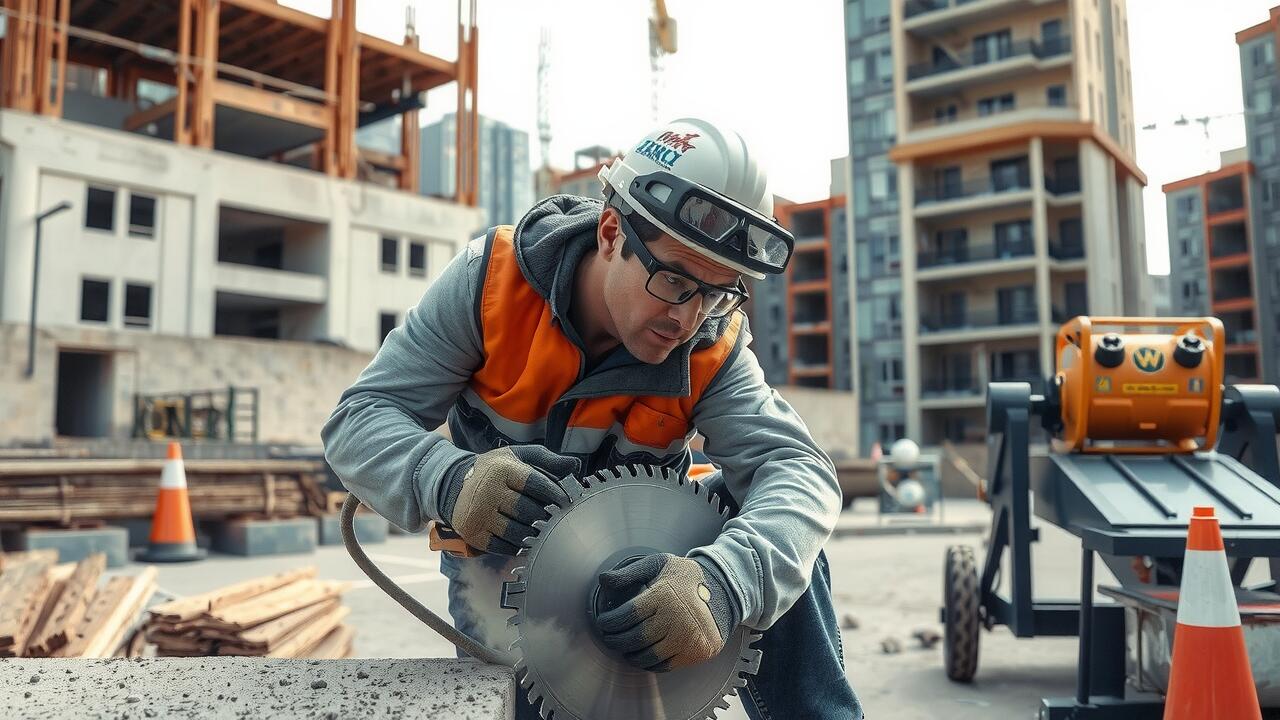
Table Of Contents
Innovative Techniques in Concrete Cutting
Innovative techniques in concrete cutting have transformed the industry, allowing for more efficient and precise work. Methods such as wire sawing and abrasive water jet cutting have gained popularity due to their ability to tackle complex projects. These advanced techniques minimize dust production and reduce noise, enhancing the overall working environment. They also provide versatility for cutting various types of concrete, brick, and stone, making them indispensable for contractors.
The integration of technology has played a significant role in the evolution of concrete cutting. The use of diamond blade saws has increased cutting speed and accuracy. Additionally, robotic cutters are emerging as a trend, offering automated solutions for intricate geometrical cuts. This technological advancement not only boosts productivity but also ensures higher standards of safety for workers on-site. As the industry adapts to these innovative techniques, the quality and efficiency of concrete cutting projects continue to improve.
Advanced Tools and Equipment Used
Concrete cutting companies in El Cajon utilize advanced tools and equipment to ensure precision and efficiency. Diamond saws have become the industry standard for their ability to cut through the toughest surfaces while minimizing dust and debris. These saws come in various forms, including handheld and walk-behind models, each suited for specific tasks. Core drills also feature prominently in their toolkit, allowing for the extraction of cylindrical samples from concrete structures for testing purposes.
In addition to diamond saws and core drills, water-fed cutting systems are increasingly popular among contractors. These systems reduce dust emissions and improve visibility on the job site. A reliable concrete cutting company will also employ high-quality personal protective equipment for workers, ensuring safety during operations. The integration of advanced technologies, such as laser-guided systems, enhances accuracy, resulting in cleaner cuts and reduced waste.
Safety Standards in Concrete Cutting
Safety standards in concrete cutting are critical for ensuring both worker protection and project integrity. Companies are required to implement rigorous safety protocols that include the use of personal protective equipment such as helmets, gloves, and eye protection. Training programs for workers emphasize understanding potential hazards associated with concrete cutting, including dust production and tool operation, helping to minimize risks on job sites.
Compliance with safety regulations is not only a legal obligation but also a business imperative for reputable concrete cutting companies. Regular safety audits and inspections are conducted to monitor adherence to established guidelines. Industry leaders often adopt additional measures, such as implementing dust control systems or utilizing quieter cutting technologies, to further enhance safety outcomes while maintaining operational efficiency.
Compliance with Regulations
Concrete cutting companies in El Cajon are required to adhere to a range of regulations that govern the industry. These regulations ensure that safety measures are implemented for both workers and the environment. Compliance with local, state, and federal guidelines is critical, as it helps to minimize risks while maximizing the efficiency of each project. Operators must stay current with these regulations to avoid penalties and ensure the well-being of those involved.
Moreover, concrete cutting operations must frequently undergo inspections to verify adherence to safety standards. This includes maintaining proper equipment and implementing best practices to handle potential hazards. By prioritizing compliance, companies not only protect their workforce but also enhance their reputation within the industry. Meeting these regulatory requirements allows concrete cutting firms to build trust with clients while ensuring a safer working environment.
Environmental Considerations for Concrete Cutting
Concrete cutting operations have increasingly focused on minimizing environmental impact. The process generates dust, noise, and debris, which can affect surrounding ecosystems and urban areas. Companies are integrating dust suppression technologies, such as water misting systems, to reduce airborne particles. This approach not only protects air quality but also promotes worker health and safety.
Additionally, waste management practices in concrete cutting are evolving. Instead of disposing of debris in landfills, many firms are opting for recycling concrete materials. Reclaimed concrete can be repurposed for various construction projects, reducing the demand for new resources and encouraging sustainable development. Implementing these practices demonstrates a commitment to environmental stewardship in the concrete cutting industry.
Sustainable Practices in the Industry
Concrete cutting has evolved to incorporate environmentally friendly practices that minimize waste and reduce the carbon footprint of projects. Companies are increasingly adopting techniques that allow for the recycling of materials, promoting the reuse of concrete rather than disposal. This shift not only conserves resources but also leads to significant cost savings for both contractors and clients. Many firms are now using diamond blades and saws that produce less dust and noise, contributing to a more sustainable work environment.
Moreover, the adoption of water-based cutting methods has become prevalent among leading concrete cutting companies. These systems reduce particulate matter released into the air while providing cooling to tools, extending their lifespan. Investing in such technologies reflects a commitment to creating safer job sites and protecting the surrounding ecosystem. By prioritizing sustainable practices, the concrete cutting industry plays a crucial role in advancing towards greener construction processes.
FAQS
What should I look for when choosing a concrete cutting company in El Cajon?
When selecting a concrete cutting company, consider factors such as their experience, the types of services they offer, customer reviews, safety standards, equipment used, and compliance with local regulations.
Are the concrete cutting methods used by these companies safe?
Yes, reputable concrete cutting companies prioritize safety and adhere to strict safety standards and regulations to protect both their workers and clients during the cutting process.
How do the best concrete cutting companies ensure environmental sustainability?
Many top concrete cutting companies implement sustainable practices, such as using advanced, eco-friendly tools and methods that minimize dust and waste, and recycling concrete debris whenever possible.
What advanced tools and equipment are commonly used in concrete cutting?
Companies typically use a range of advanced tools, including diamond saws, wall saws, wire saws, and core drills, which allow for precision cutting and efficiency in various concrete cutting projects.
How do I know if a concrete cutting company is compliant with local regulations?
You can verify a company’s compliance by checking their certifications, licenses, and insurance coverage, and by asking for references or reviews from previous clients regarding their adherence to regulations.
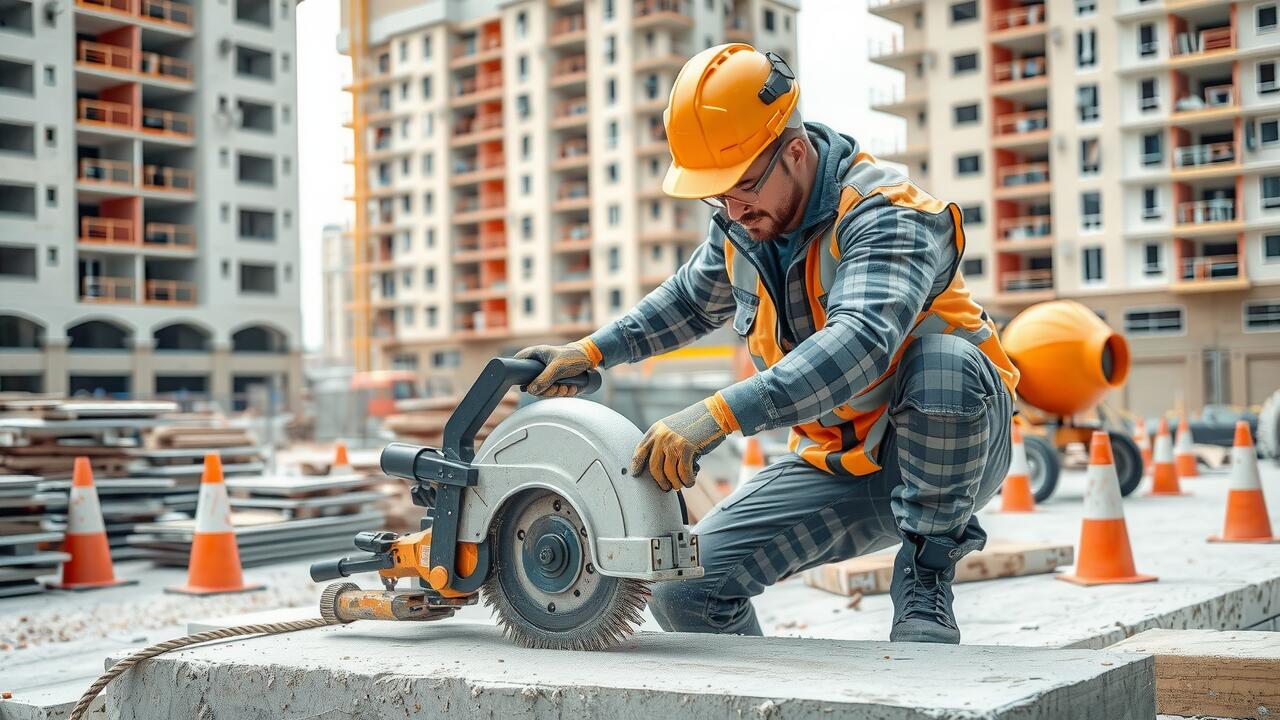
Table Of Contents
Safety Standards in Concrete Cutting
Concrete cutting is a process that involves specific safety standards to protect workers and the surrounding environment. Proper training and certification are essential for operators handling cutting tools. Equipment must meet industry standards to ensure it functions correctly and safely. Personal protective equipment, such as helmets, eye protection, gloves, and respiratory masks, plays a crucial role in preventing injuries during concrete cutting operations.
Job sites must adhere to strict safety protocols to minimize hazards. Adequate signage should be displayed to warn workers of potential dangers. The use of barriers and proper zoning can help keep unauthorized personnel away from active cutting areas. Regular maintenance of tools and equipment is necessary to prevent malfunctions that could lead to accidents during concrete cutting. Implementing these safety measures fosters a secure working environment, ultimately enhancing efficiency and performance.
Best Practices for Safe Operations
Concrete cutting operations demand strict adherence to safety protocols to protect workers and surrounding environments. Proper Personal Protective Equipment (PPE) such as gloves, goggles, and hearing protection plays a crucial role in minimizing risks. Regular training and refreshers for the crew on the latest safety measures ensure that everyone remains informed about potential hazards. It is also essential for teams to conduct pre-job safety meetings to identify specific risks associated with each project.
Another critical aspect of safe operations involves equipment maintenance. Regular inspections and servicing of cutting tools prevent malfunctions that could lead to accidents. Ensuring that all machinery operates smoothly not only enhances safety but also improves efficiency. Clear communication among team members throughout the cutting process fosters an environment where concerns can be quickly addressed, contributing to a safer workplace.
Types of Concrete Cutting Techniques
Concrete cutting encompasses various techniques that professionals utilize to achieve precise results. One of the most common methods is wall saw cutting, which employs a circular diamond blade mounted on a track to create clean, accurate cuts in vertical surfaces. This technique is particularly effective for cutting through thick concrete walls and is widely used in construction and renovation projects. Another popular method is flat saw cutting, often used for roadways and slabs, where a large, flat saw is maneuvered across horizontal surfaces.
Wire saw cutting offers a more versatile option for larger or more complex projects. A continuous loop of diamond wire is used, allowing for intricate cuts without the heavy machinery and noise associated with other methods. This technique minimizes dust and vibration, which is beneficial in sensitive environments. Additionally, core drilling is essential for creating openings in concrete, such as for plumbing or electrical installations. Each of these concrete cutting methods provides unique benefits tailored to different project needs.
Overview of Methods Used by Professionals
Concrete cutting incorporates several techniques tailored to the specific needs of a project. Saw cutting remains one of the most widely used methods, utilizing diamond blades to create precise cuts in various types of concrete. This technique is favored for its accuracy and ability to minimize damage to surrounding materials. Additionally, wall sawing is employed for vertical surfaces, allowing for clean cuts in concrete walls. These professionals also make use of core drilling, which is perfect for creating openings and passages for plumbing or electrical work.
Another method gaining traction is wire sawing, particularly effective for cutting through thick concrete structures. This technique involves a continuously moving wire with diamond segments, enabling efficient cuts without generating excessive vibrations. As demands for complex demolitions rise, professionals often resort to more specialized methods such as hydraulic sawing or even controlled demolition techniques. Each of these approaches highlights the versatility and expertise required in the concrete cutting industry to meet a diverse array of construction challenges.
Environmental Considerations
Concrete cutting can have significant environmental impacts if not managed properly. The dust generated during the cutting process often contains hazardous particles that can affect air quality. Implementing proper dust control measures, such as water suppression systems, helps minimize airborne pollutants. Companies that prioritize environmental responsibility actively seek ways to mitigate these effects while maintaining efficiency in their operations.
In addition to controlling dust emissions, many concrete cutting companies are transitioning to eco-friendly equipment and practices. Electric saws and diamond tools are increasingly popular due to their reduced carbon footprint and lower noise levels. Companies are also focusing on recycling concrete waste, allowing materials to be reused in new projects, thus promoting sustainability in the construction industry. These advancements reflect a growing commitment to environmentally conscious methods within the concrete cutting sector.
Eco-Friendly Practices in Concrete Cutting
Eco-friendly practices in concrete cutting have gained significant attention as companies increasingly focus on reducing their environmental impact. Techniques such as diamond cutting generate less dust and debris compared to traditional methods. This precision minimizes waste and reduces the need for extensive cleanup, ultimately contributing to a cleaner job site. Additionally, many modern concrete cutting firms utilize advanced machinery designed to operate more efficiently, consuming less energy and producing fewer emissions.
Moreover, responsible disposal of concrete waste is vital in promoting sustainable practices. Recycled concrete can be used for different applications, such as aggregate for new construction projects or as fill material for landscaping. This approach decreases the demand for raw materials and helps divert waste from landfills. Companies that emphasize eco-friendly practices also tend to prioritize the use of non-toxic chemicals during the cutting process, ensuring a safer environment for workers and surrounding communities.
FAQS
What should I look for when choosing a concrete cutting company in Escondido?
When selecting a concrete cutting company, consider their experience, safety standards, the range of services offered, customer reviews, and whether they use eco-friendly practices.
Are concrete cutting companies in Escondido required to follow specific safety standards?
Yes, concrete cutting companies must adhere to local and federal safety regulations, including OSHA guidelines, to ensure the safety of their workers and clients during operations.
What are the common techniques used in concrete cutting?
Common techniques include wall sawing, flat sawing, wire sawing, and core drilling, each suited for different applications and types of concrete structures.
How do environmental considerations impact concrete cutting practices?
Environmental considerations can influence companies to adopt eco-friendly practices, such as using dust suppression methods, recycling concrete waste, and selecting low-emission equipment.
Can I request eco-friendly concrete cutting options from companies in Escondido?
Yes, many concrete cutting companies offer eco-friendly options. It’s advisable to inquire about their practices and commitment to sustainability when requesting a quote.
Table Of Contents
Cutting Too Quickly
Cutting too quickly can lead to several issues that compromise the quality of your work. When performing concrete cutting at a rapid pace, tools may overheat and become less effective, increasing the risk of damage to both the equipment and the concrete surface. A hasty approach may also result in jagged edges or uneven cuts, detracting from the overall appearance and structural integrity of the finished project.
A steady cutting pace enhances precision and allows for better control of the cutter. This technique minimizes the risk of mistakes, ensuring that operators can accurately follow their intended lines. With improved focus, the effectiveness of the cutting blade is preserved, leading to cleaner, more professional results. This thoughtful approach ultimately saves time and resources by reducing the likelihood of needing additional repairs or adjustments later on.
Benefits of a Steady Cutting Pace
A steady cutting pace is essential in concrete cutting for several reasons. Maintaining a consistent speed allows for better control over the saw, leading to cleaner and more precise cuts. Fast, erratic movements can result in jagged edges and an uneven surface, which may require additional finishing work. A deliberate pace also reduces the risk of damaging the saw or the material being cut, ensuring the longevity of both tools and project outcomes.
Moreover, a controlled approach minimizes the generation of excessive dust and heat. Excessive heat can affect the performance of the blade and contribute to premature wear. Lower levels of dust enhance visibility on the job site, improving overall safety. By focusing on a steady cutting pace, operators can achieve a more efficient workflow while also ensuring higher quality results in their concrete cutting projects.
Failing to Check Existing Utilities
When engaging in concrete cutting, overlooking the presence of existing utilities can lead to serious consequences. Gas lines, water pipes, and electrical conduits often run underground, sometimes in the very path designated for cutting. Failing to account for these elements not only jeopardizes safety but may also incur costly repairs. Damage to utilities can disrupt services and create hazardous conditions, underscoring the importance of thorough preparation prior to any cutting work.
Before beginning a project, it is advisable to identify any underground utilities that may be present. This can be done by consulting utility companies or utilizing specific detection tools designed for this purpose. Marking out the area where concrete cutting will occur helps prevent accidental strikes on hidden lines. Taking these precautionary measures adds a layer of safety and ensures a more efficient cutting process.
How to Identify Underground Utilities
Identifying underground utilities is crucial before initiating any concrete cutting project. Various methods help locate these utilities, including consulting local utility companies for maps or information regarding buried lines. Additionally, handheld devices like electromagnetic locators can detect electrical lines and some types of plumbing. Ground-penetrating radar is another advanced tool that provides a more detailed image of subsurface conditions, allowing for safer cutting practices.
Before starting work, marking the identified utility lines on the surface is essential. This visual reference helps prevent accidents that can arise from cutting into hidden pipes or cables. A thorough inspection of the site contributes to a safer environment for workers and avoids costly repairs or project delays that may result from damaged utilities. Taking these steps significantly enhances the overall effectiveness of concrete cutting efforts.
Not Considering Weather Conditions
Weather conditions play a crucial role in the effectiveness and safety of concrete cutting projects. High temperatures can cause the concrete to cure too quickly, leading to cracking and poor finishes. Cold temperatures may impact the performance of cutting tools and the behavior of the concrete itself. Workers need to be aware that both rain and extreme humidity can introduce additional complications, including slippery surfaces and the potential for damage to the equipment.
Additionally, certain weather conditions can pose risks to worker safety. Windy days may affect the control of dust generated from cutting, which can be hazardous if inhaled. Rain or snow can create slippery conditions, increasing the likelihood of accidents on the job site. By taking weather into account, crews can better plan their concrete cutting tasks to mitigate risks and enhance the overall quality of their work.
Impact of Weather on Concrete Cutting
Weather conditions can significantly influence the effectiveness and safety of concrete cutting. High temperatures may cause the concrete to set faster, increasing the risk of cracking during the cutting process. On the flip side, cutting concrete in cold, wet conditions can lead to challenges such as frost, which makes the surface harder and can slow down the cutting. Moreover, moisture can compromise the equipment, potentially leading to safety hazards or mechanical failures.
Additionally, windy conditions can pose risks when cutting concrete outside. Dust and debris kicked up during the cutting process can reduce visibility and create breathing hazards. It is crucial to pay attention to the local weather forecast before initiating a concrete cutting project, ensuring appropriate preparations are made to counteract any adverse effects. Taking these factors into account not only improves the quality of the cut but also ensures a safer working environment.
FAQS
What are the common mistakes to avoid when cutting concrete?
Common mistakes include cutting too quickly, failing to check existing utilities, and not considering weather conditions.
Why is it important to maintain a steady cutting pace?
A steady cutting pace helps ensure precision and reduces the risk of damaging the concrete or cutting equipment, leading to cleaner cuts and improved safety.
How can I check for existing utilities before cutting concrete?
You can check for existing utilities by contacting local utility companies, using utility locating services, or employing ground-penetrating radar to identify underground lines.
What weather conditions should I consider before cutting concrete?
It’s important to consider factors such as temperature, humidity, and precipitation, as these can affect the cutting process and the quality of the concrete.
What impact does weather have on the concrete cutting process?
Weather can influence the curing time of concrete, the effectiveness of cutting equipment, and the overall safety of the cutting operation, making it vital to plan accordingly.